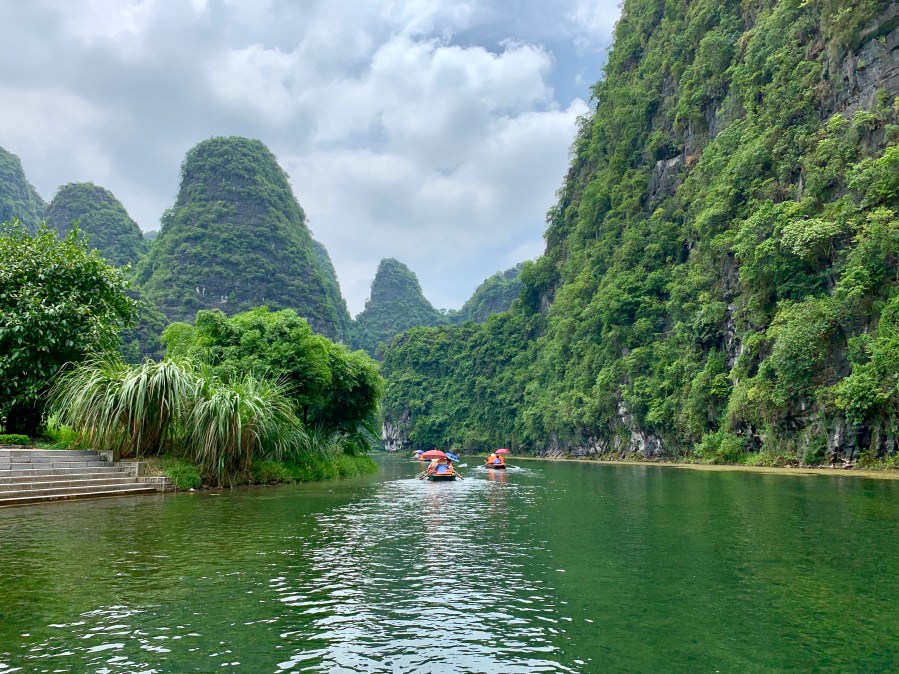
Trang An Boat Tour
After breakfast this morning, I took a taxi to one of the biggest tourist destinations in the Ninh Binh province: the Trang An Boat Tour.
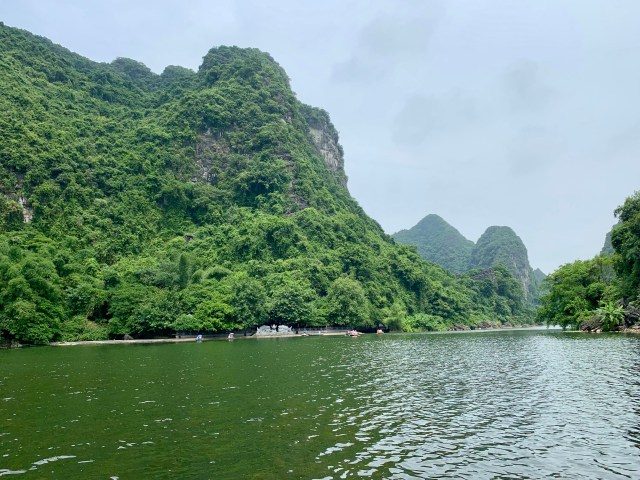
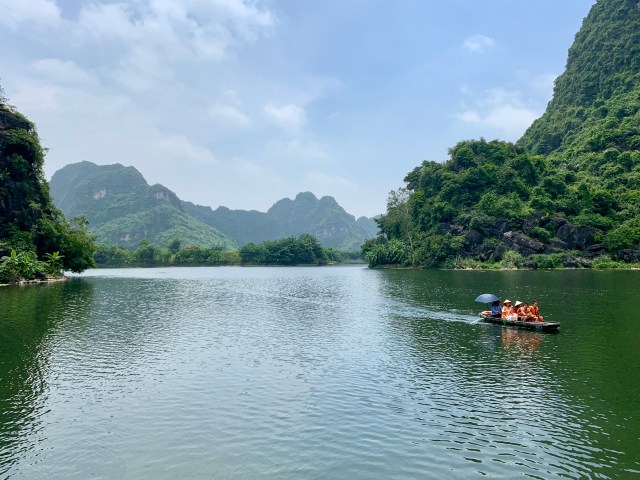
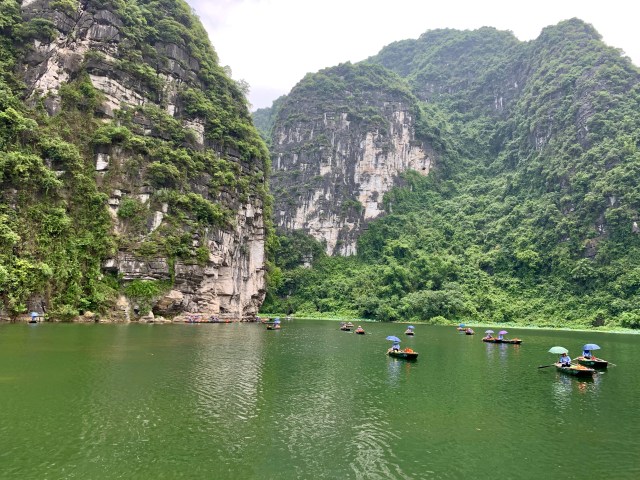
This is a three-hour ecotourism boat ride that takes you down rivers, past steep limestone mountains, to various temples, and through a number of caves. There are actually three routes available for you to choose from: one that takes you through more caves, one that focuses on temples, and one that spends equal time on caves and temples and which also provides the greatest views of the limestone mountains. I ended up going on the third route. (Along the journey, you could clearly tell when your route aligned with another one, as the waters could become quite crowded.)
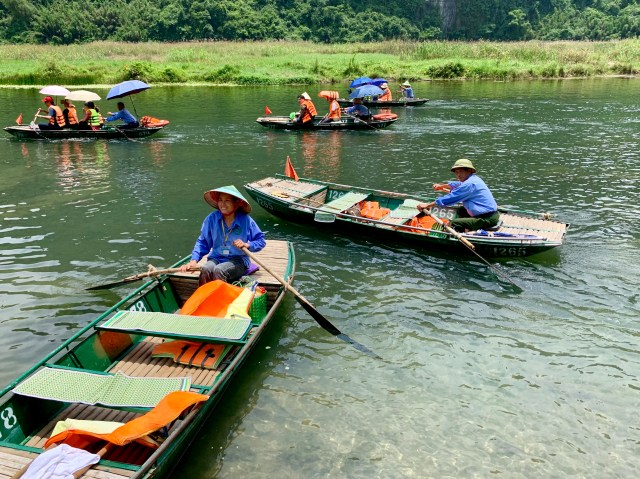
After you’ve purchased your ticket, you are paired with others in order to bring the number of passengers on your boat to as close to four people as possible. I was grouped with an English couple, Kianah and Richard, and we boarded our boat that was being rowed and guided by a very sweet (and very strong!) Vietnamese woman.
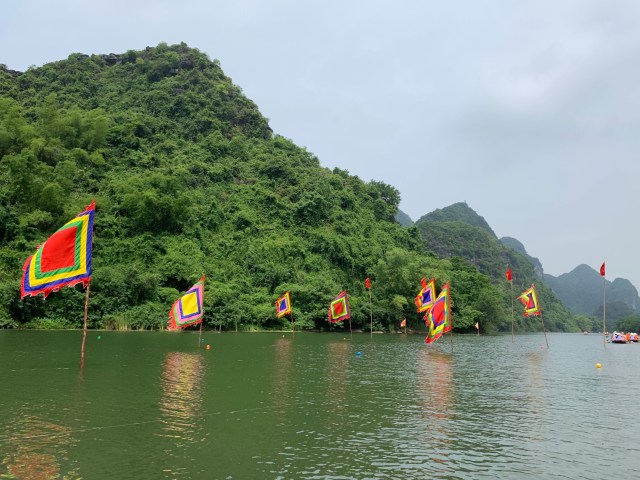
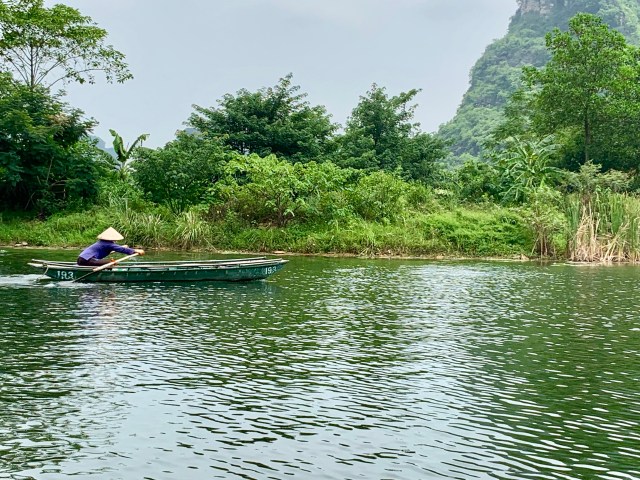
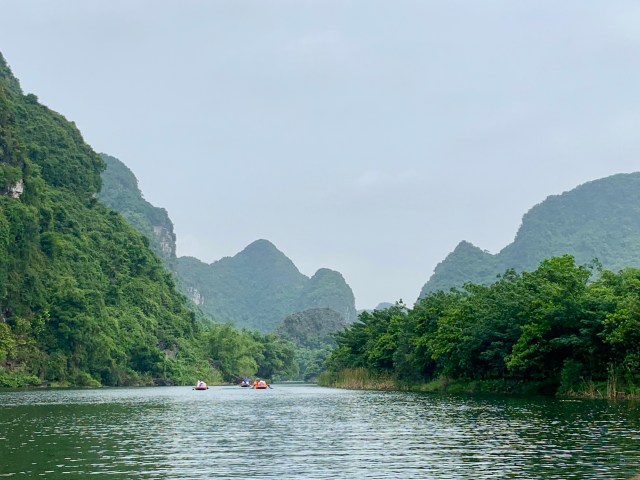
We spent about 20 minutes being rowed down the river before we docked at our first stop of the tour: Trinh Temple.
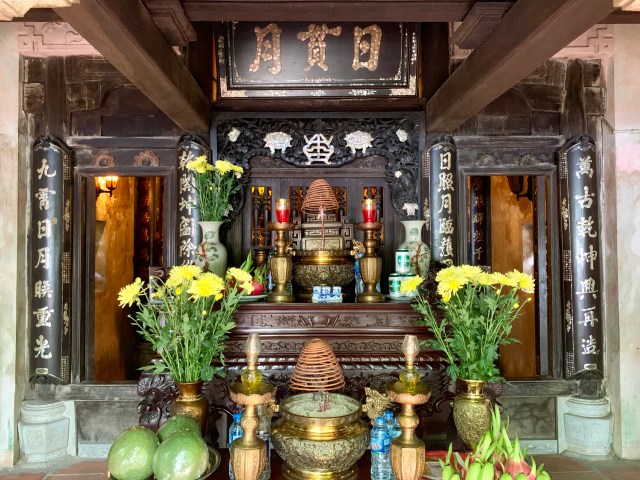
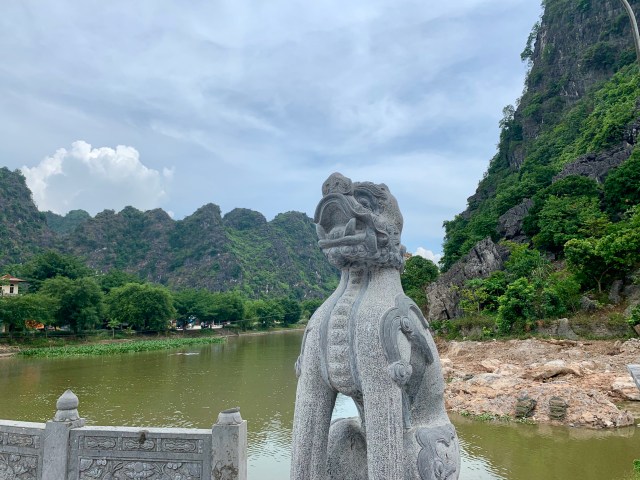
This temple was nearly impossible to see from the water except for the two large stone carp that marked its entrance.
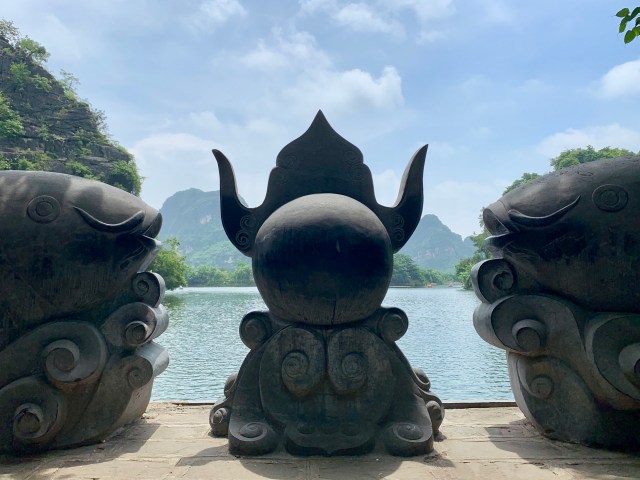
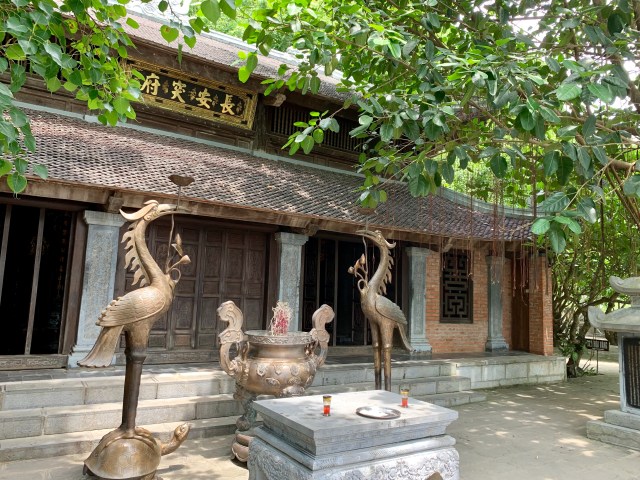
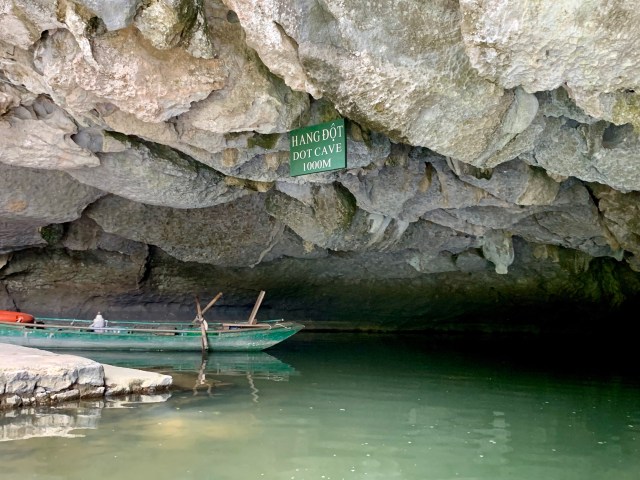
Just behind this temple was the entrance to Dot Cave, which was our next destination.
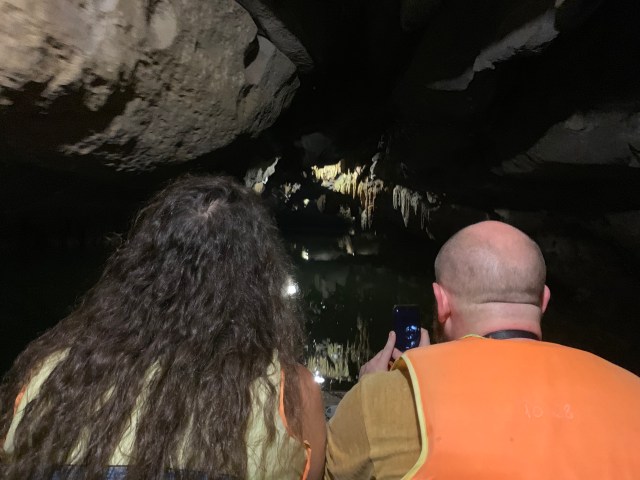
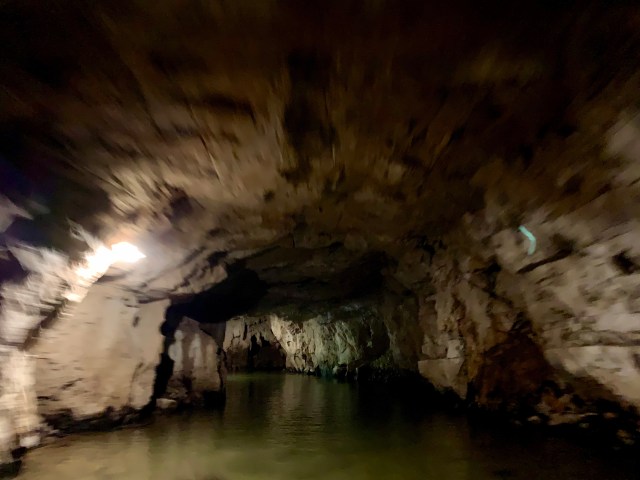
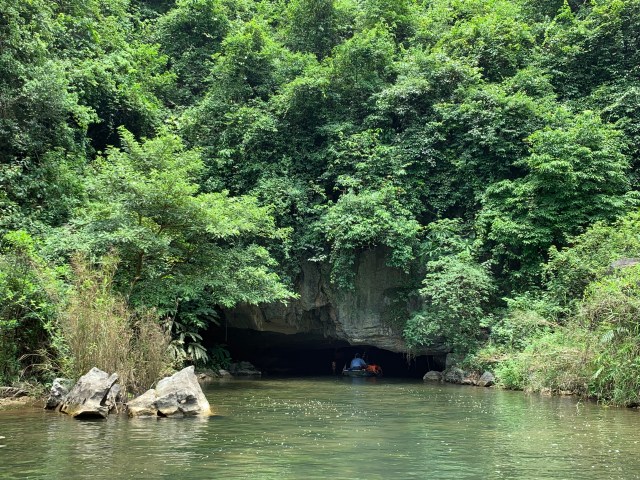
This cave was 1,000 meters long, and it look us about 15 minutes of paddling to reach the other end. There were lights that faintly illuminated the space – and it’s a good thing, because the ceilings got so low at points that we had to duck down to avoid hitting our heads on suddenly-appearing stalactites!
The cave also opened up in a couple of spaces into larger caverns, and in these areas we could hear and see bats flying around. (The woman rowing us along used this as an opportunity to learn the English word “bat.”)
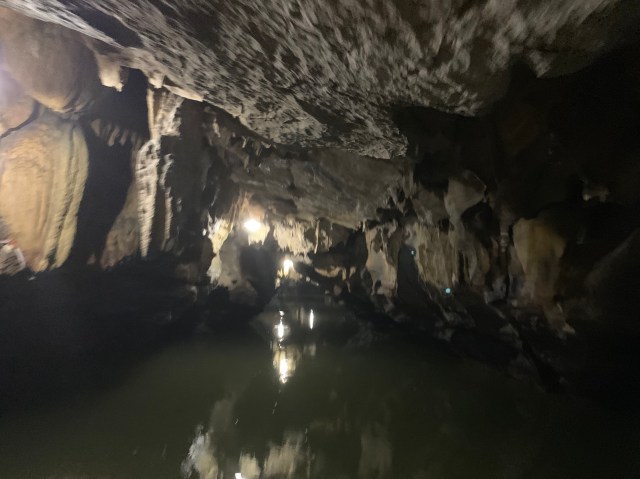
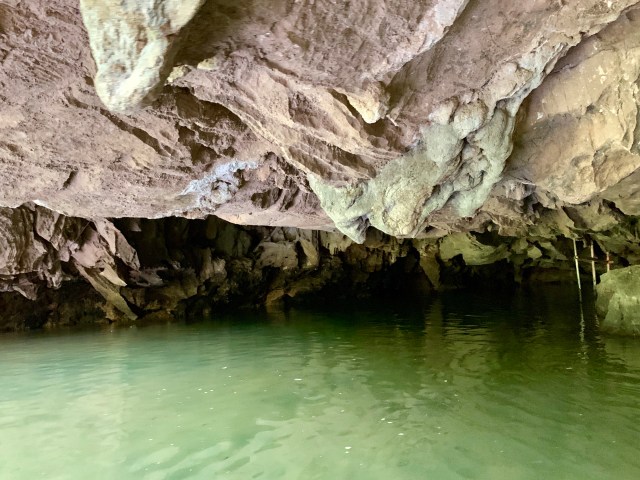
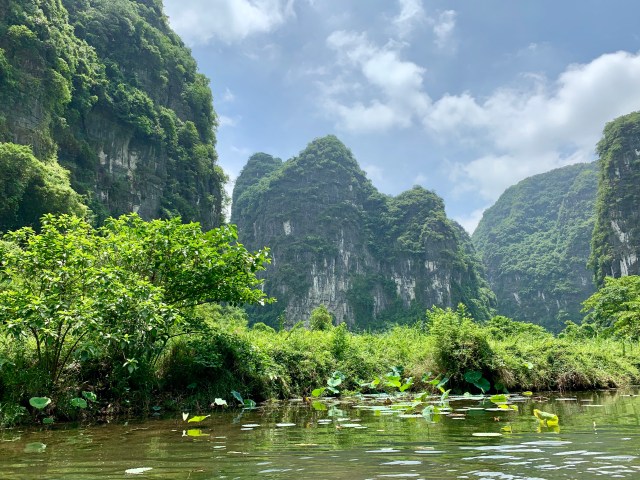
After a bit more paddling in the sunlight, we approached Van Cave. This was a much shorter cave with taller ceilings than the first one, but it was still very beautiful and a nice escape from the hot sun.
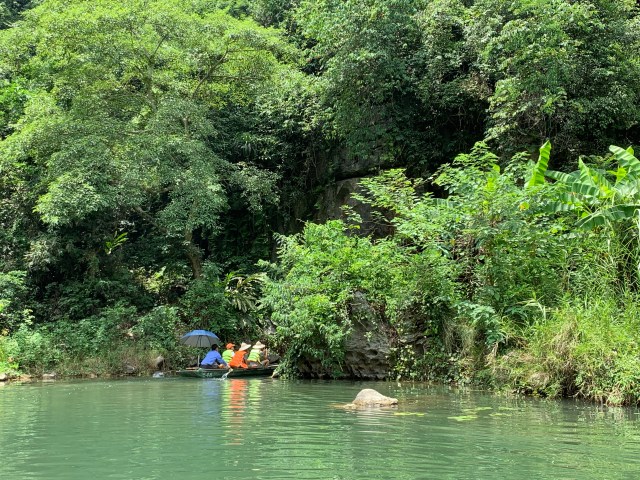

The three of us were then dropped off at Suoi Tien Temple.
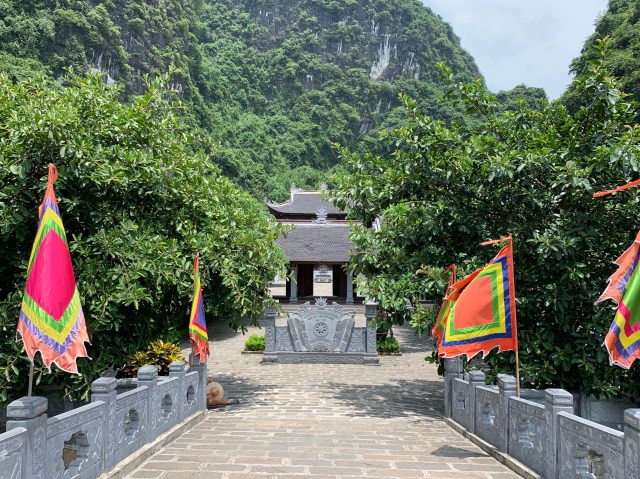
This temple had some signage that explained how the buildings in this area were used in the 13th century to safeguard the kingdom from Mongolian invaders, acting as a military base that soldiers on horseback couldn’t hope to attack.
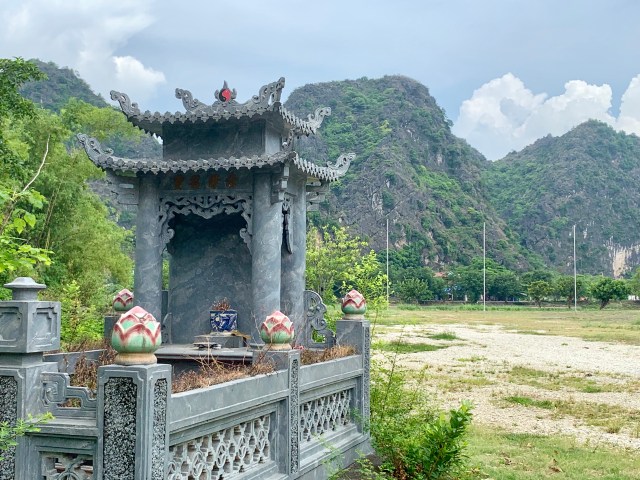
The temple here was a stunning collection of bridges, buildings, and gardens, and we watched some other visitors photograph the site using a drone.
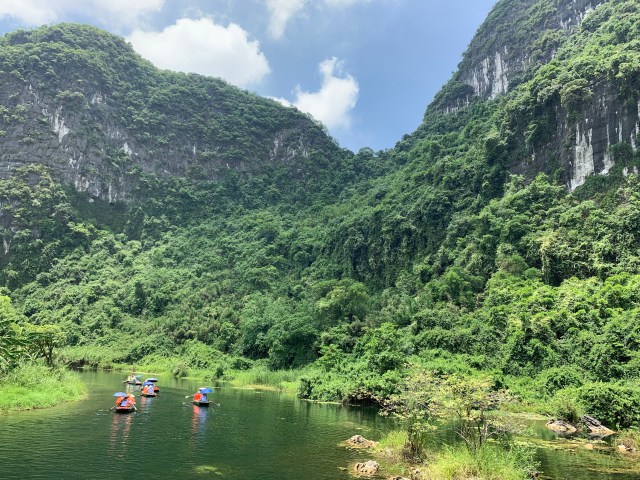
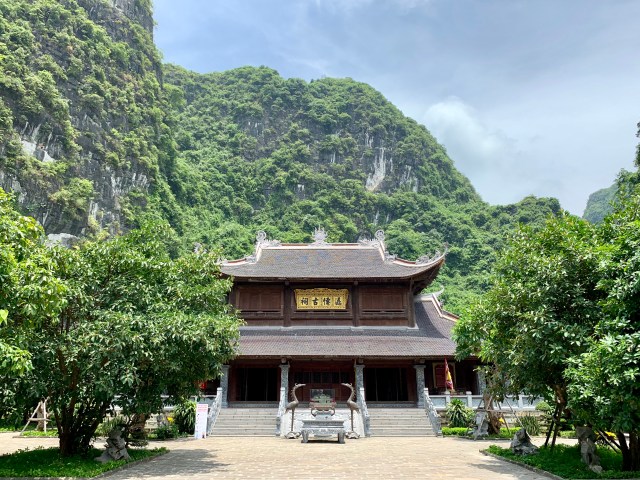
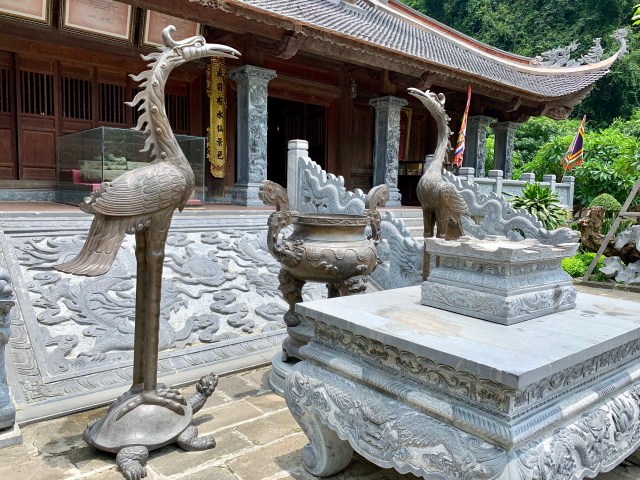
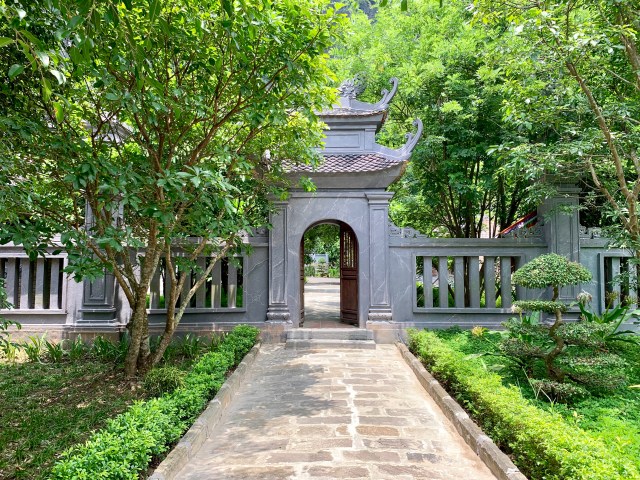
After we departed from this temple, we had our longest and most magnificent stretch of admiring the limestone landscape of this region.
There were two extra oars in the boat, so Kianah and Richard aided with some paddling here.
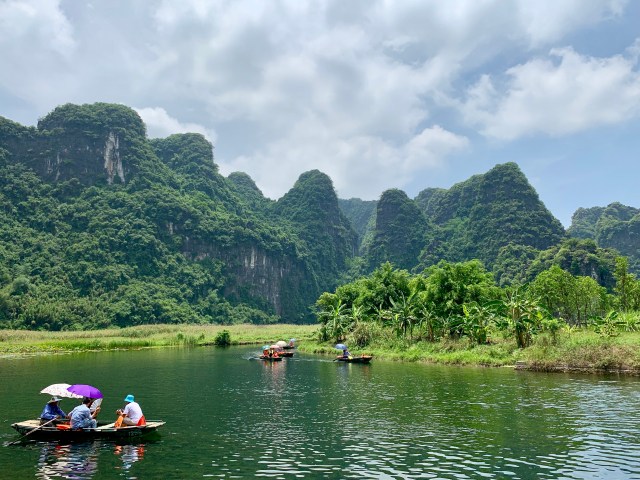
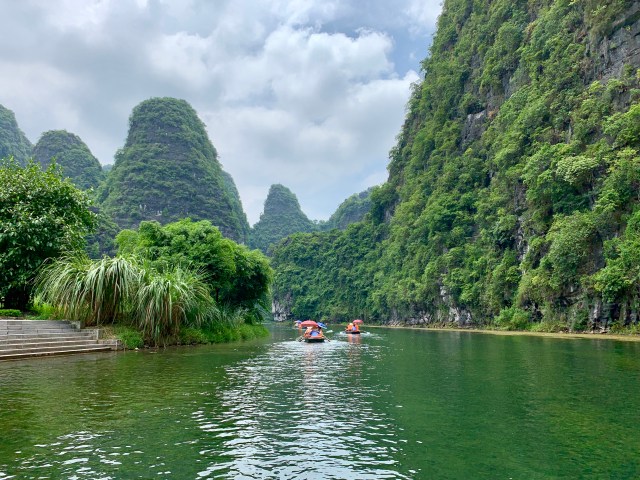
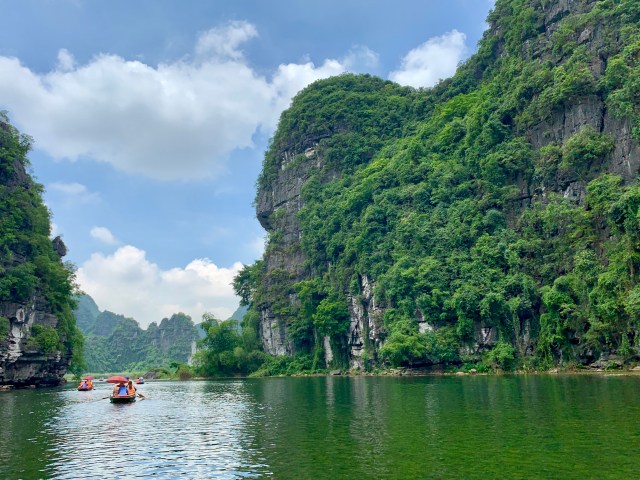
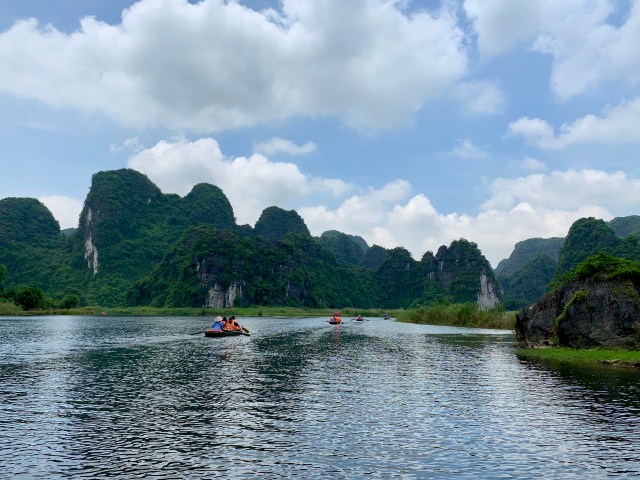
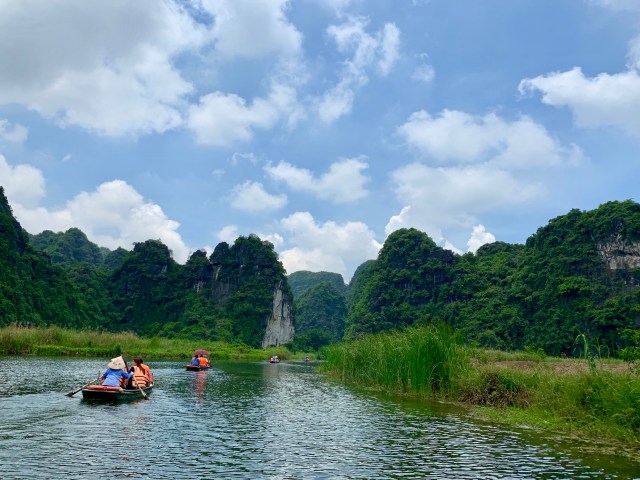
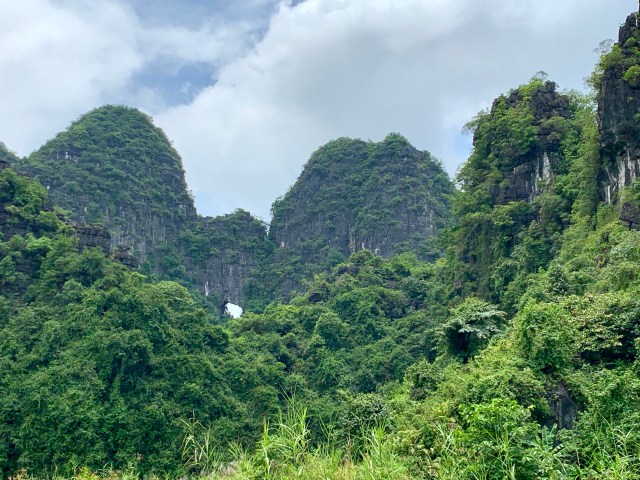
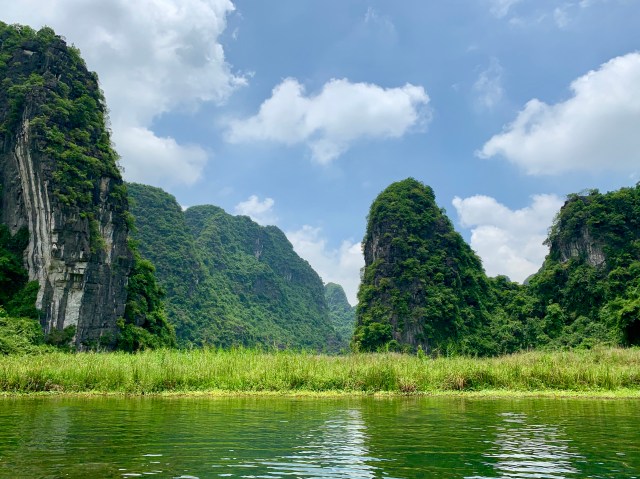
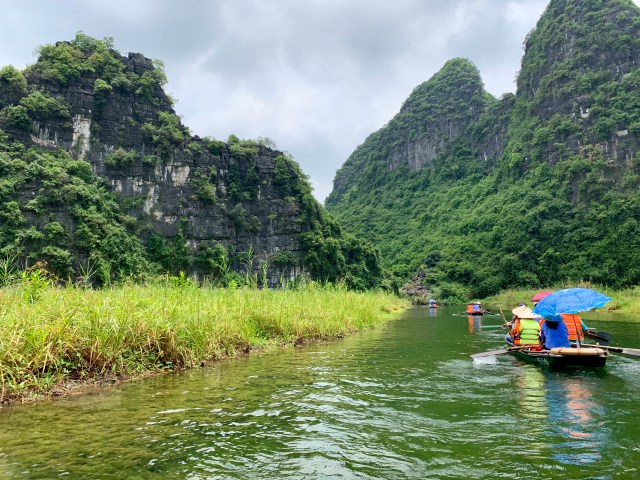
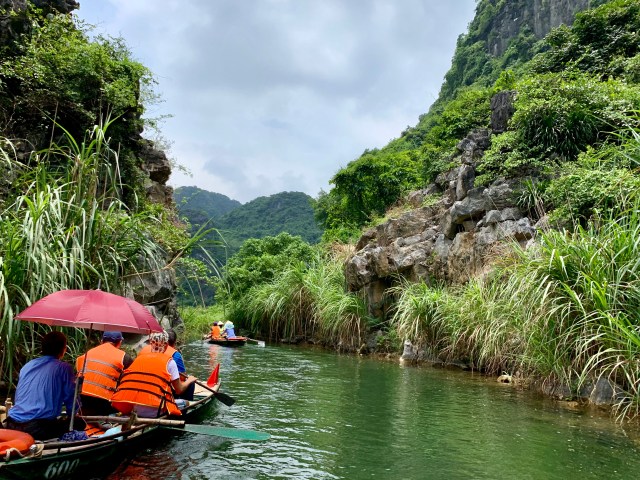
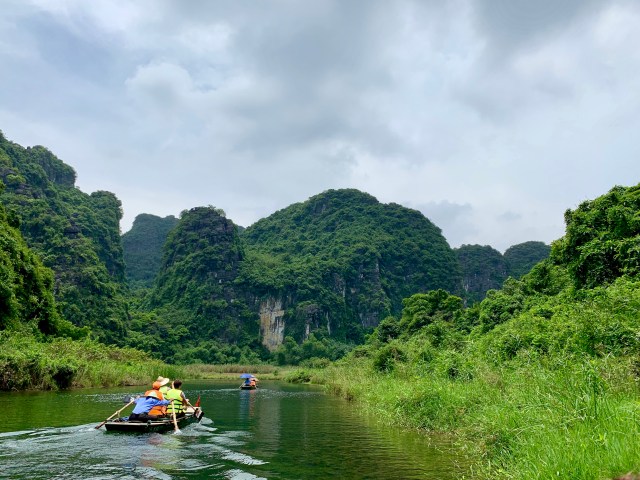
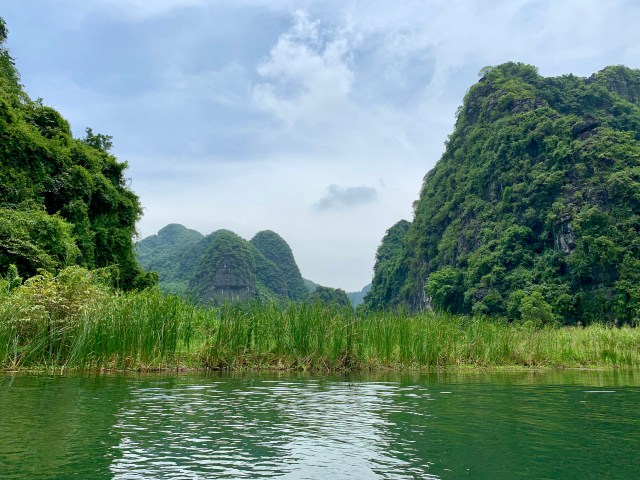
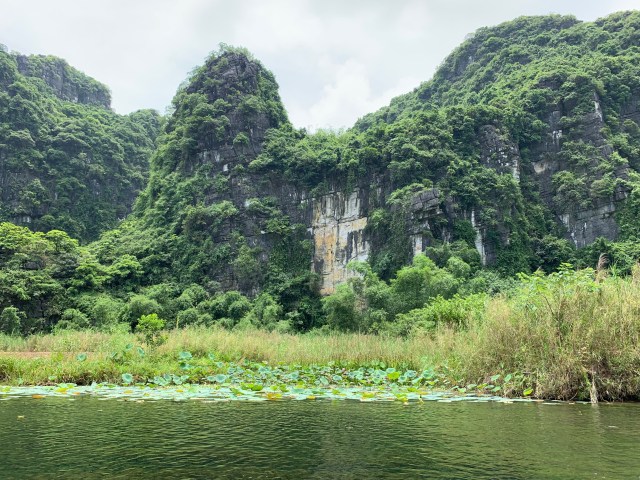
Getting through Dai Cave was very quick, but was again a wonderful respite from the sun.
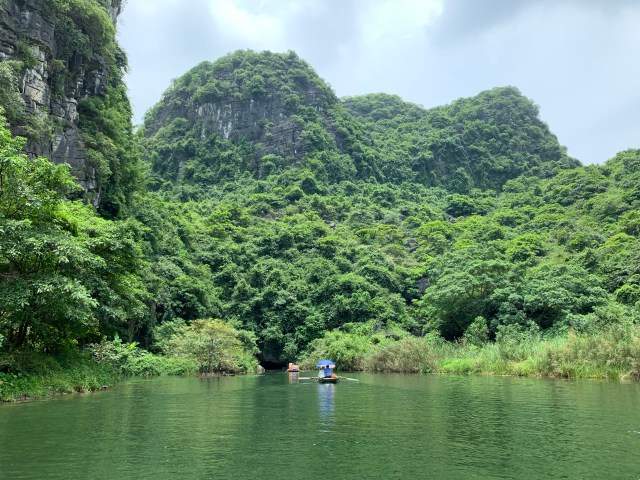
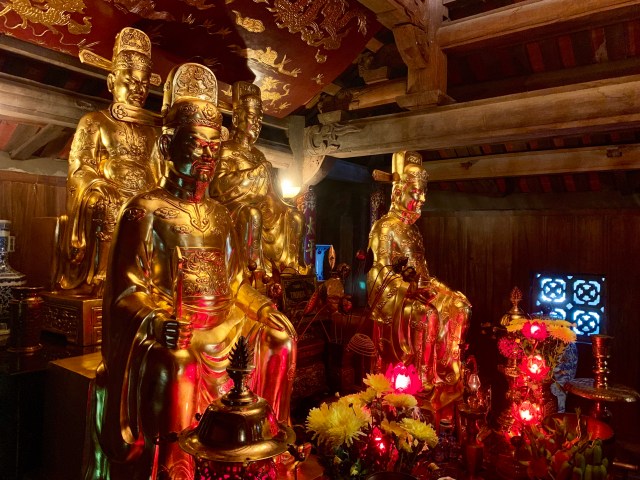
The most significant stop on this journey was the Vu Lam Royal Step, which was established as a school of meditation in 1294. Building after ornately-decorated building could be explored here. Each of these continues to be used for devotion and meditation today, with fresh offerings and incense found at every altar.
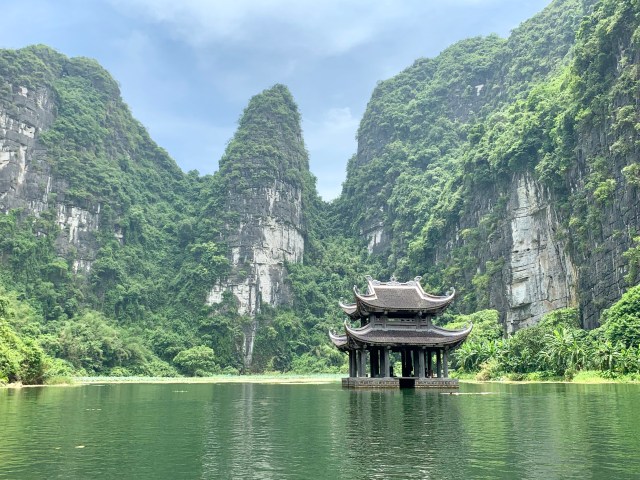
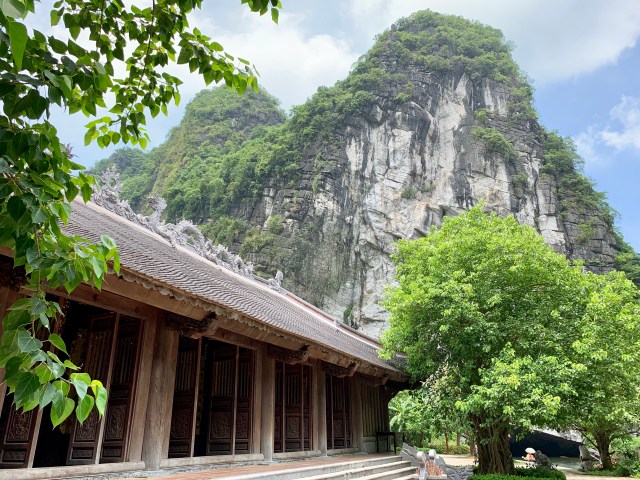
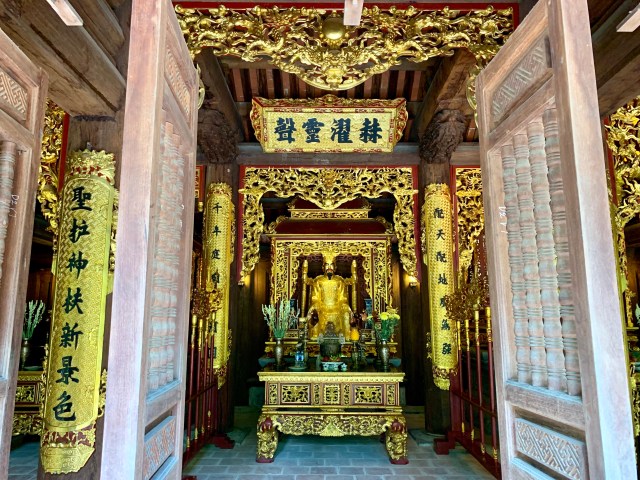
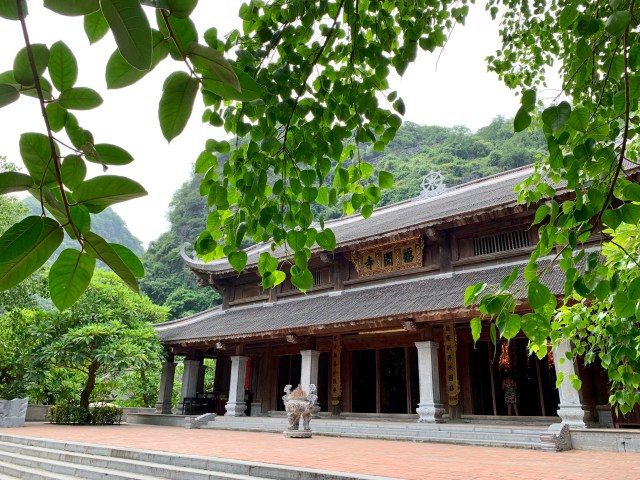
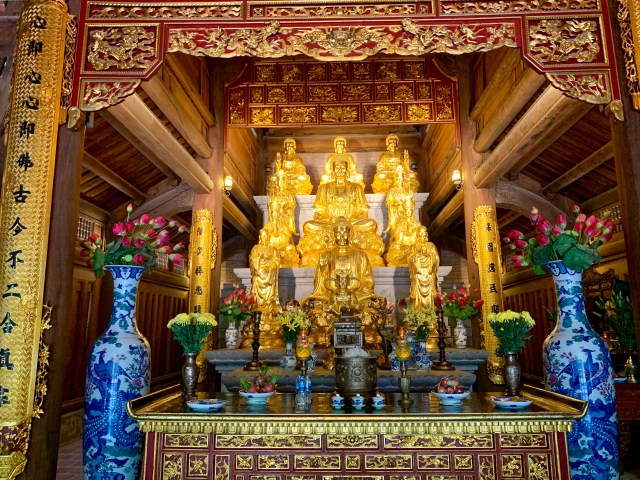
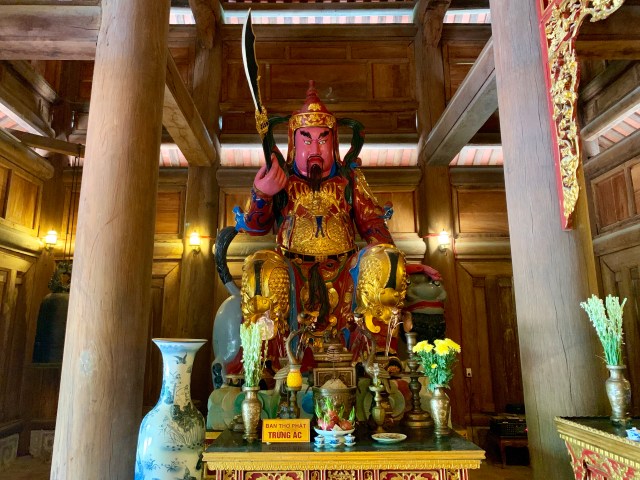
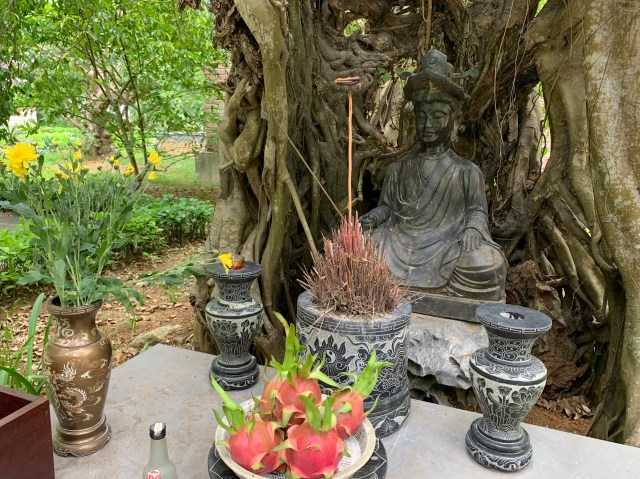
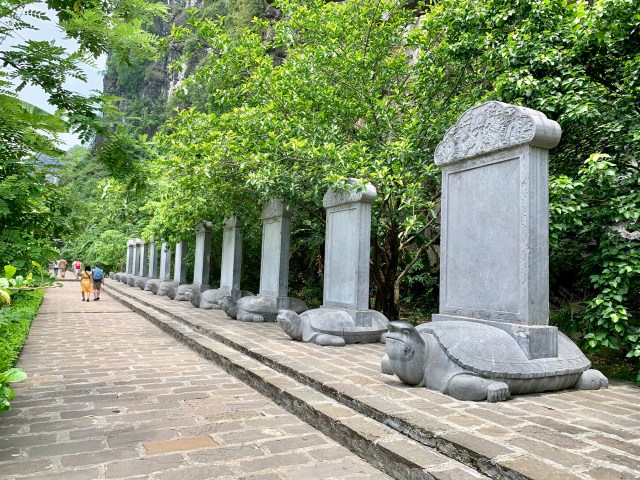
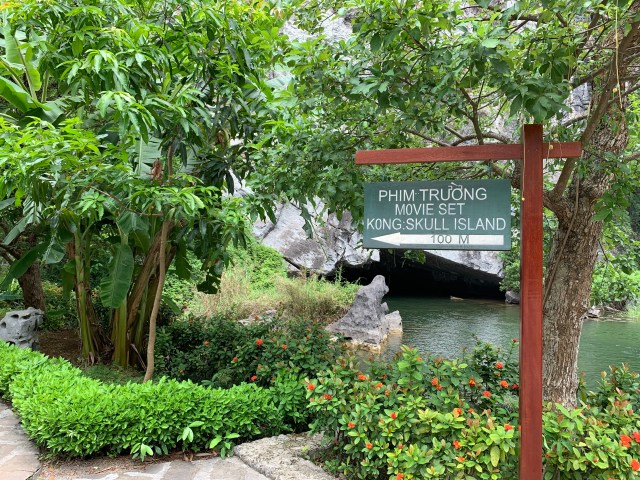
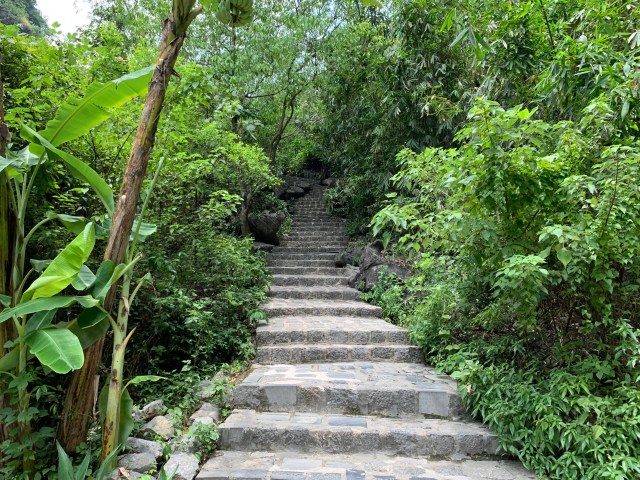
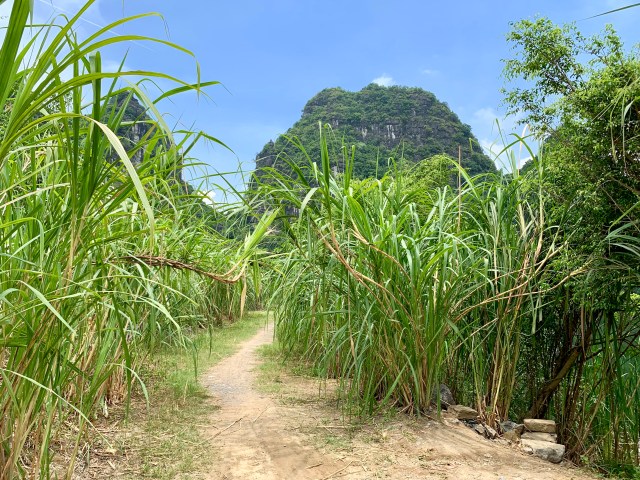
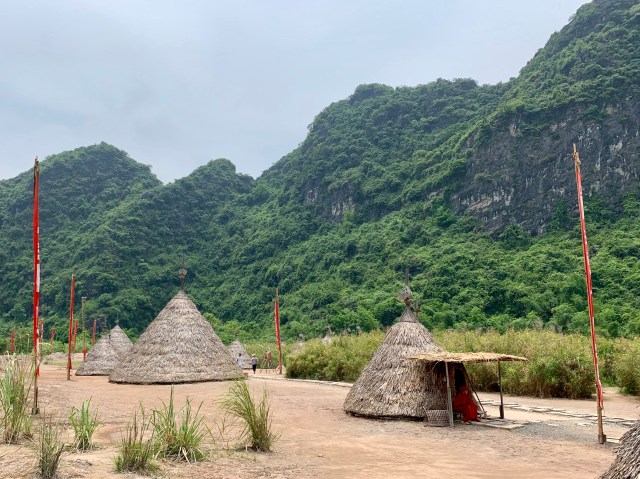
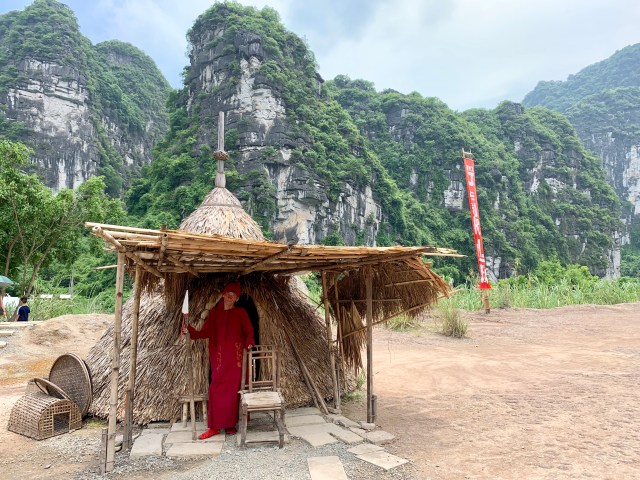
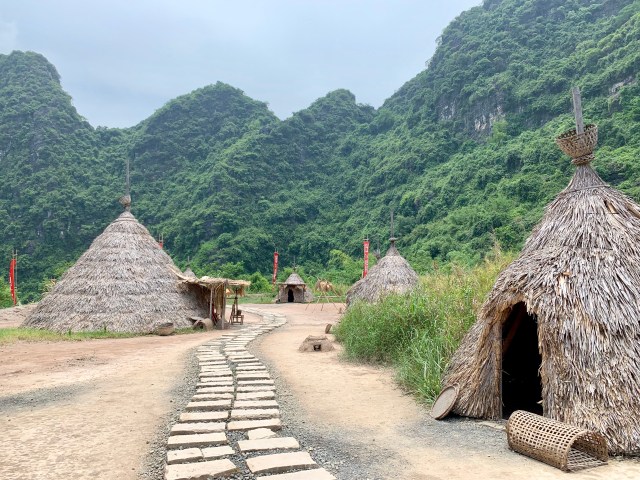
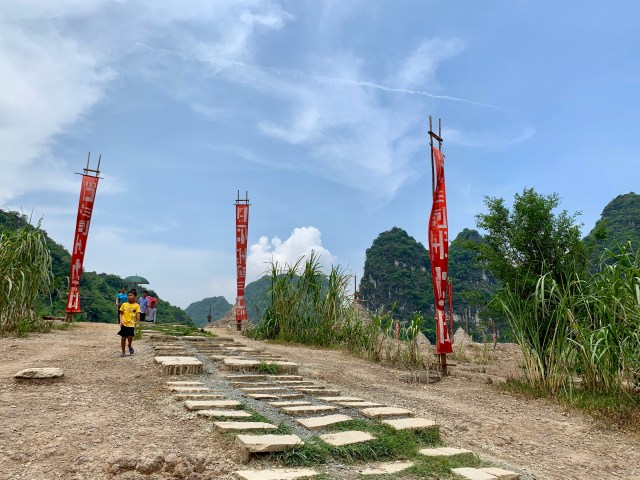
I did not realize going into this tour that this area is where the 2017 movie Kong: Skull Island was filmed. Oddly enough, just behind this gorgeous temple complex, you can walk to the film set which is now set up for visitors. A faux village from the movie contains actors standing next to huts and charging 50,000 dong for a posed photo. This was all very weird, but fun.

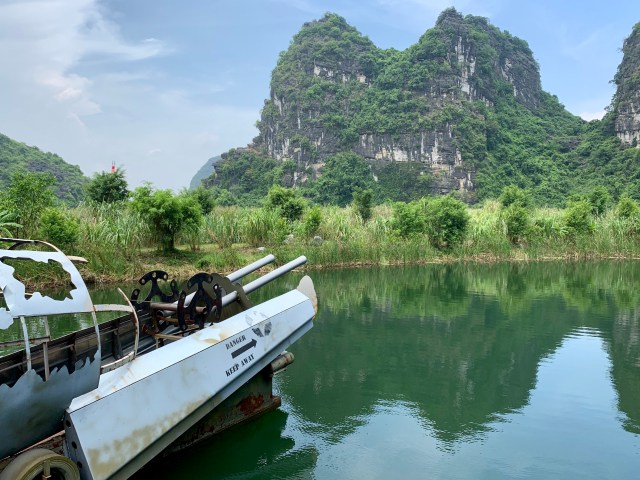
One final 20-minute boat ride later, we were back at the docks and at the end of our truly spectacular tour.
Hoa Lu Ancient Capital
I downed some water and ate some lunch, and then I hopped into a taxi toward my next stop of the day: The Hoa Lu Ancient Capital.
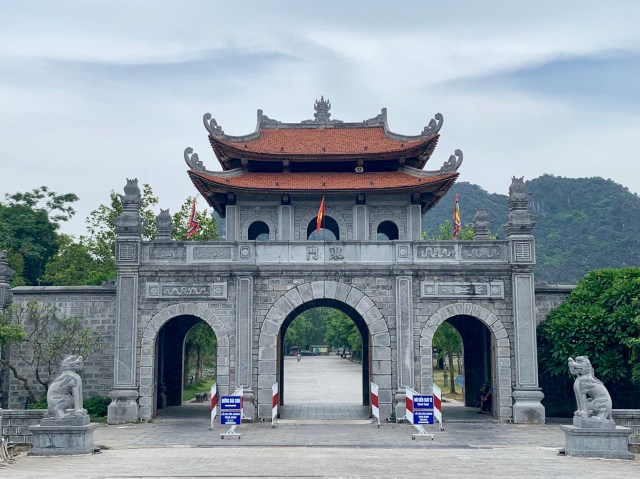
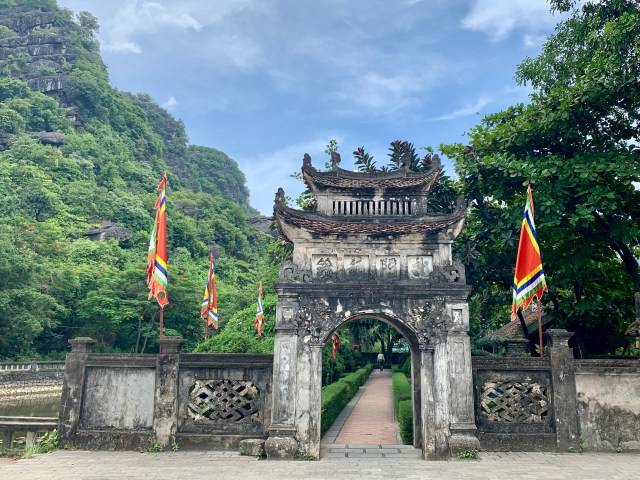
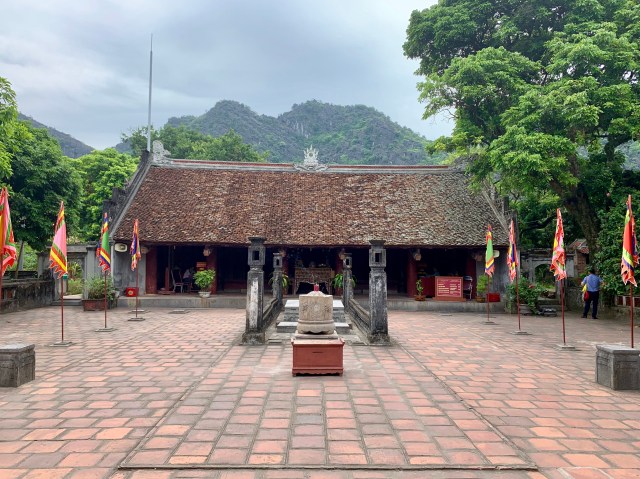
After years of civil war and a violent successionist movement against China’s Southern Han Dynasty, a warlord now referred to as the First Dinh Emperor founded Hoa Lu in 968 AD. Hoa Lu was the capital of Vietnam in the 10th and 11th centuries until the capital was moved to Hanoi.
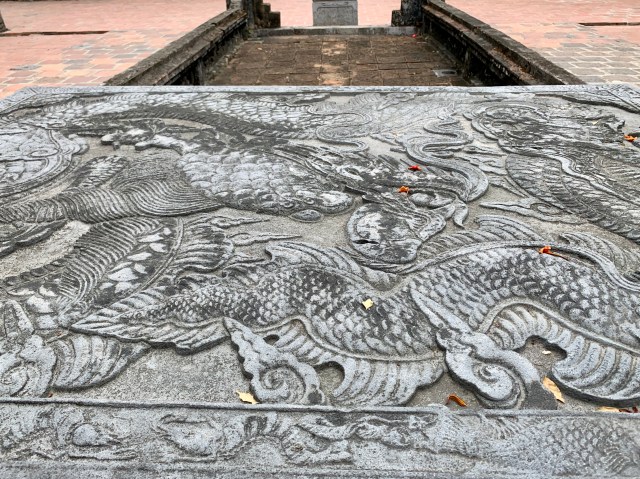
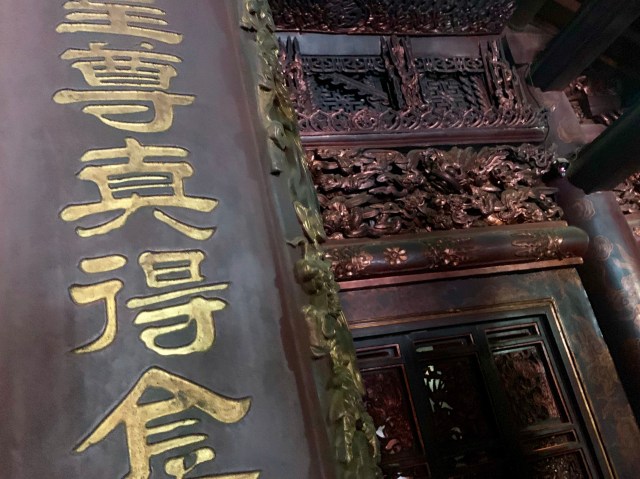
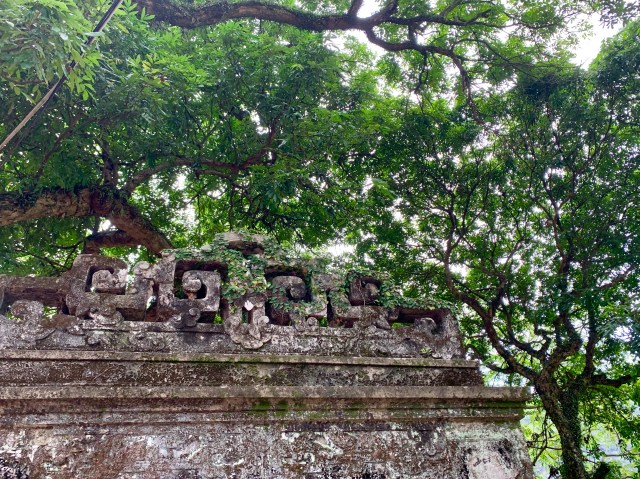
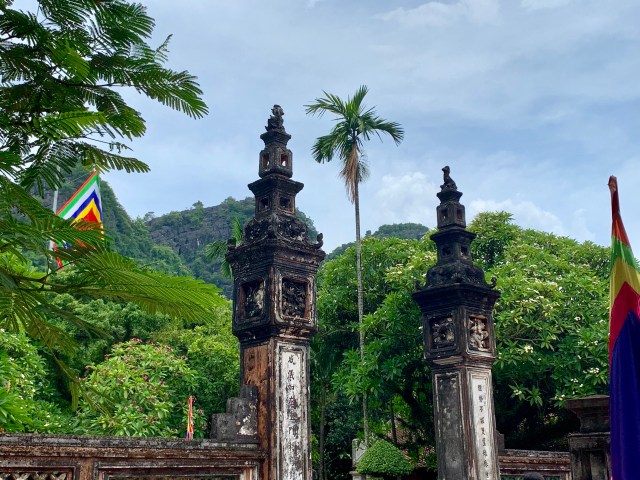
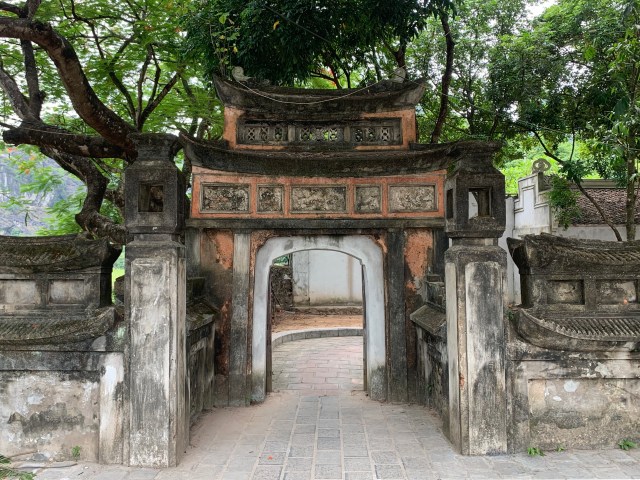
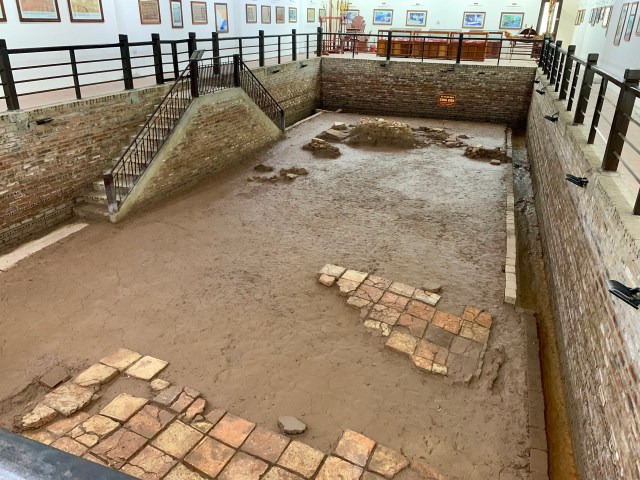
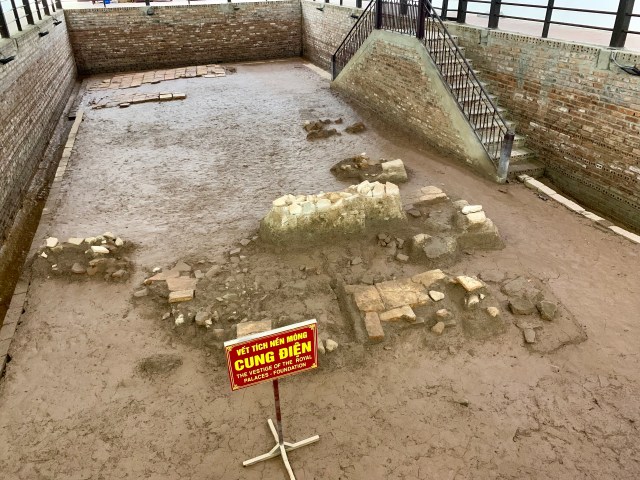
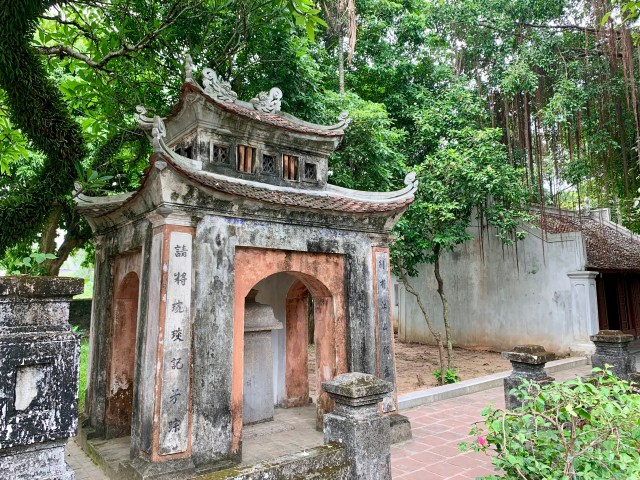
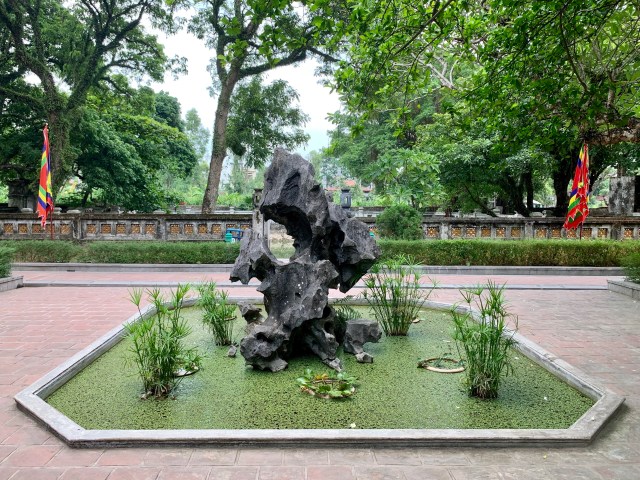
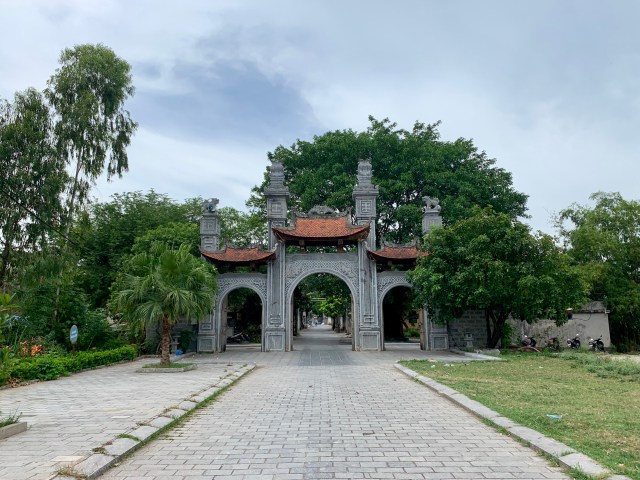
Once Vietnam’s capital was transferred, Hoa Lu was abandoned and began to crumble. Very little of the original capital city remains, although a great archaeological exhibit displays some ancient finds and an excavated floor from the 10th century palace. Most of the buildings now in place were constructed during the 17th century in honor of the emperors and their families.
 Journeying Jasmine
As usual, a fascinating day…Pictures are fantastic & scenery is magnificent!!! .. You never cease to amaze me!! What beautiful memories you have created….Continue enjoying every day..Love,
Mama
LikeLiked by 2 people