First thing this morning, I was on a bus to Chiang Rai. This time it was actually a bus as opposed to a minivan, and the ride from Chiang Mai was about 3.5 hours long. On this ride, my neighbor shared her custard cream rice crackers with me. (Thais are so nice!)
By 11am I had found my hostel and dropped off my bag, and I had a whole day of exploring the city ahead of me. I had a loose idea of where I wanted to go based on some places I had pinned in Google Maps, but I really planned to simply follow my nose and see where I ended up.
I started by popping into the nearest temple to my hostel, Wat Jed Yod. This was a red temple with a classic design and colorful floral motifs.
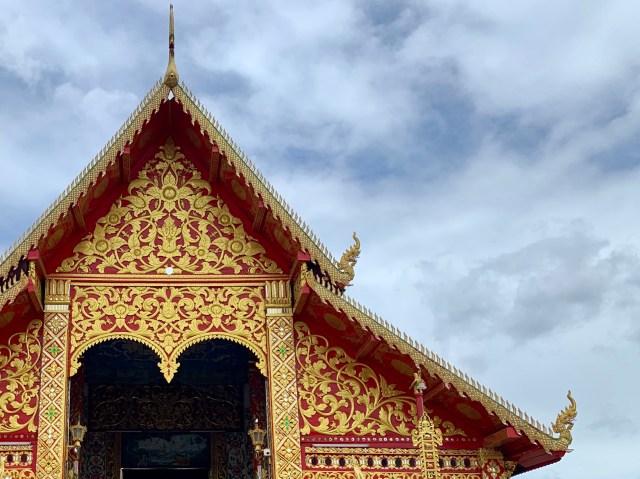
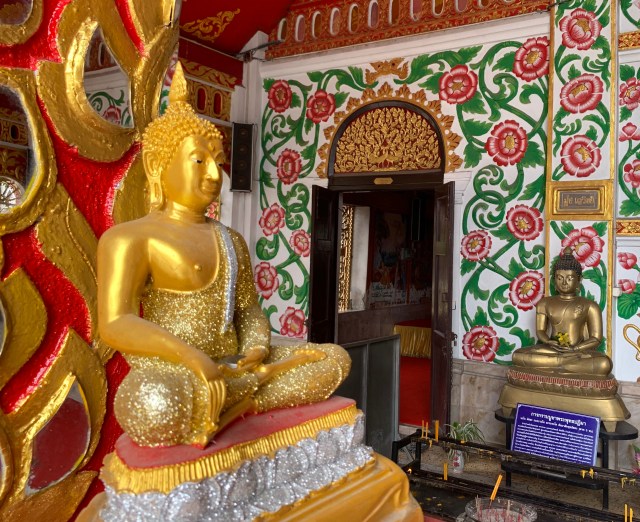
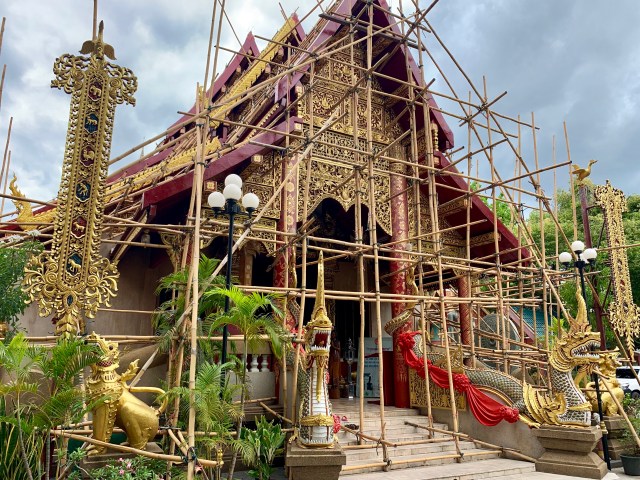
The next temple I stopped at, Wat Klang Wiang, looked pretty interesting because the entire exterior was covered in bamboo scaffolding.
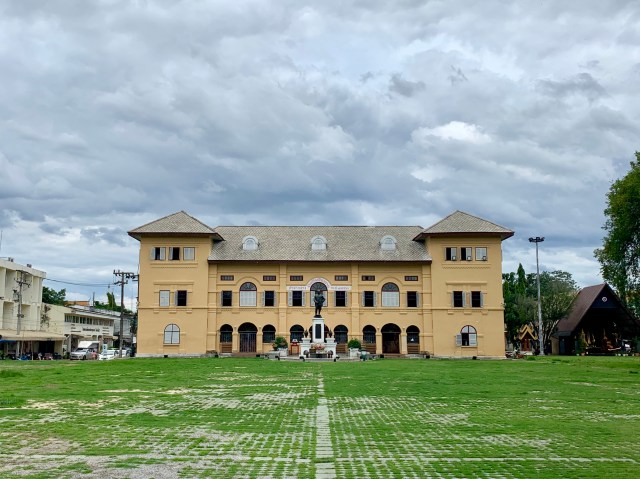
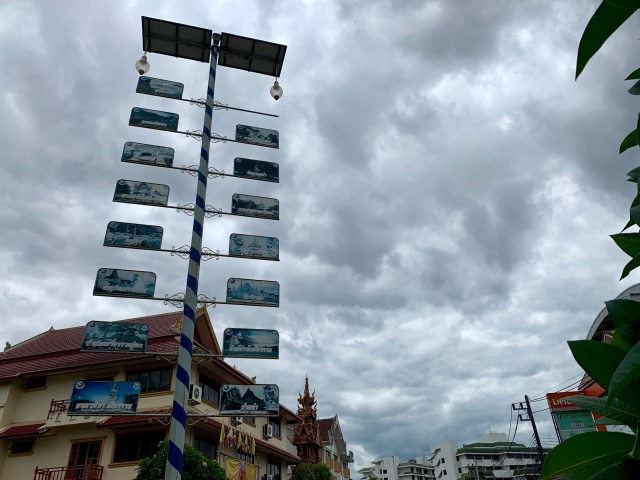
I passed by the old city hall, along with a very faded display of city highlights out front.
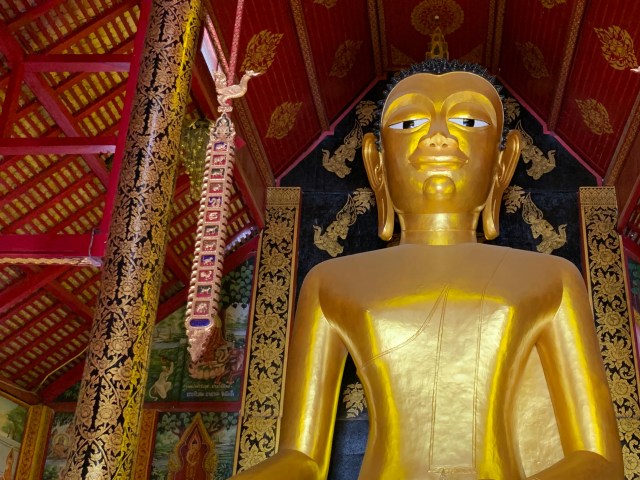
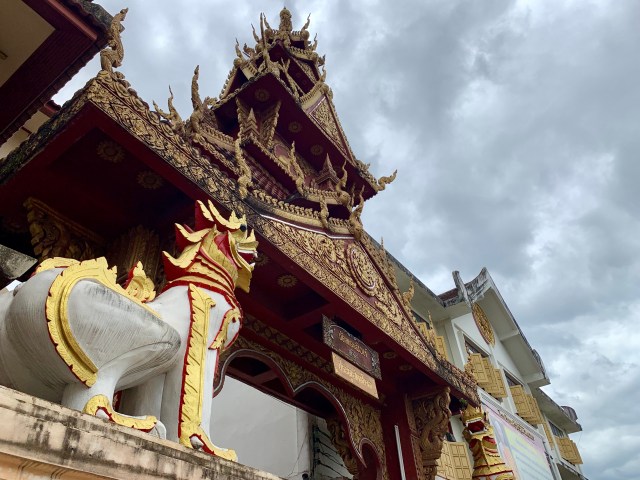
My next stop welcomed me in with an impressive gate that separates the temple from the street. Wat Phra Singh includes an ornate chapel that was built in the 1300s in the Lanna style, with a small but stunning image of Buddha inside, and with walls covered with beautiful paintings. As is the case at many temples, there was a school here, and I watched as the schoolchildren practiced their prayers.
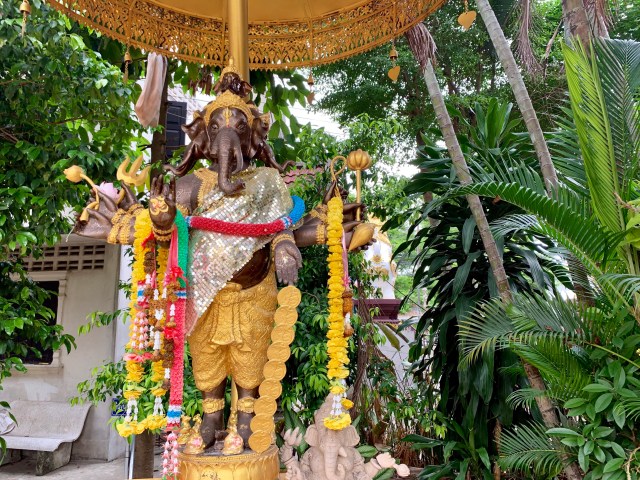
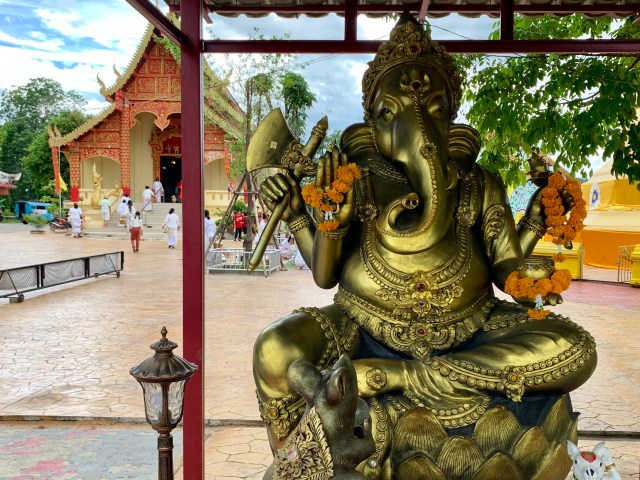
This was also my first of several sightings today of Ganesha, who I had not realized was adopted into Buddhism.
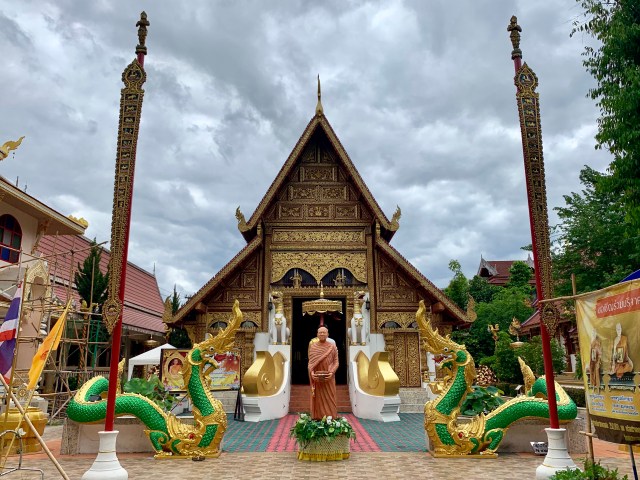
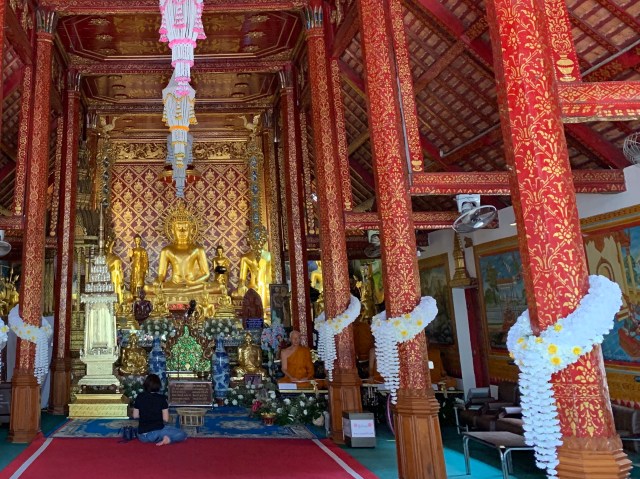
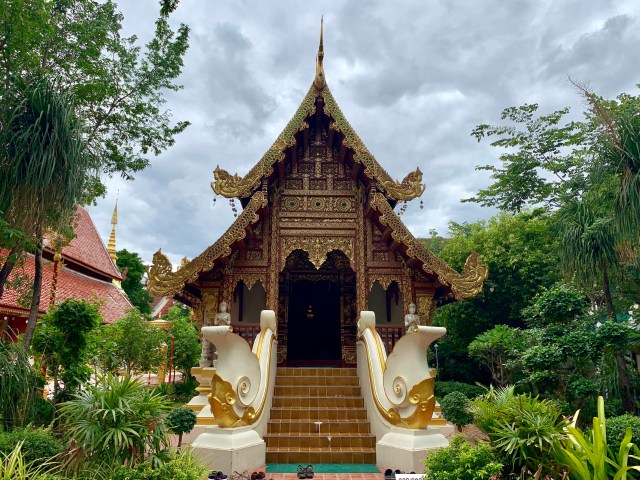
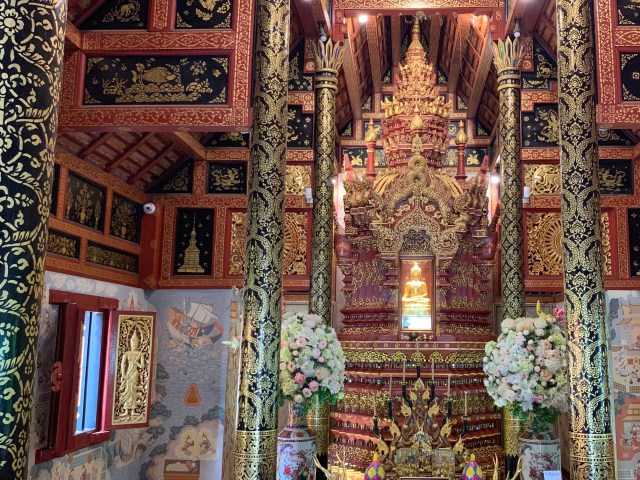
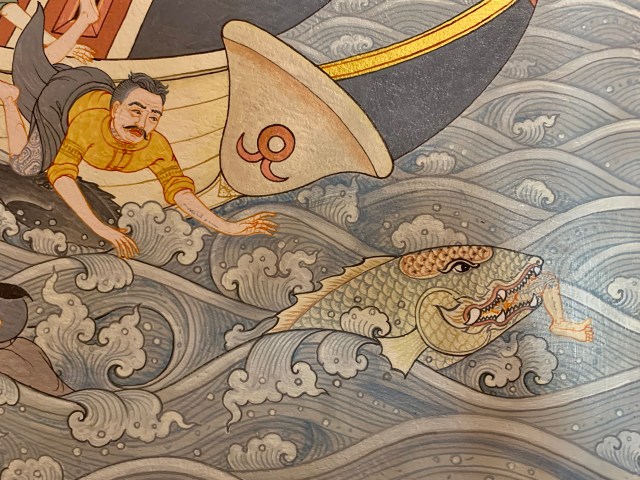
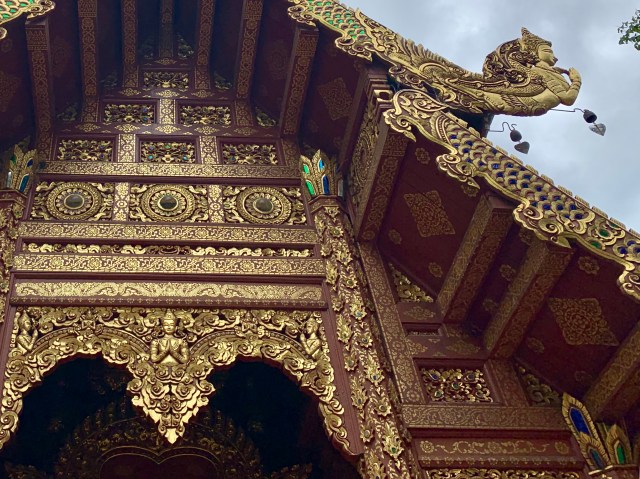
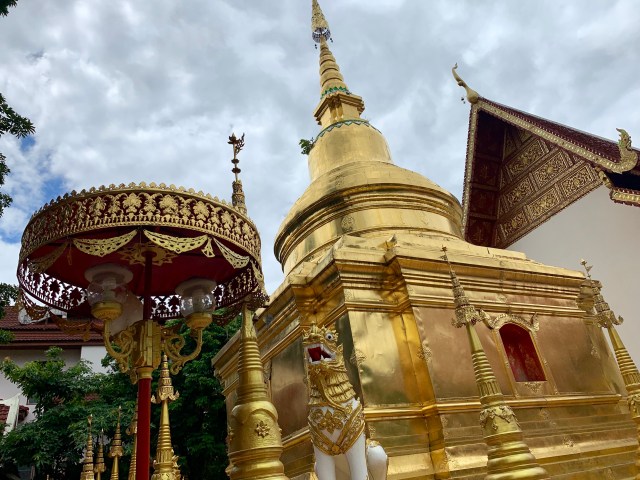
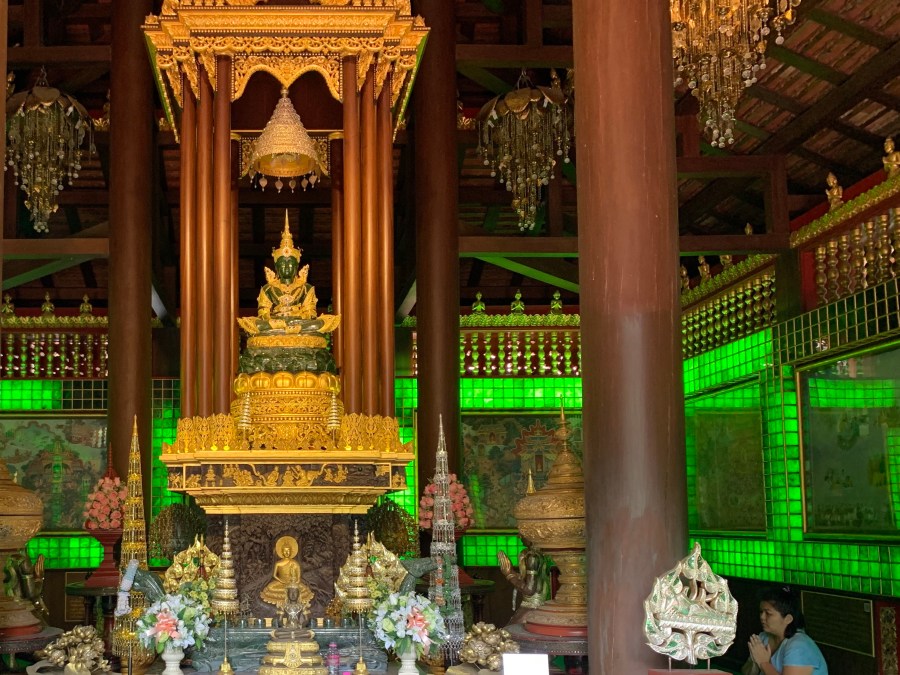
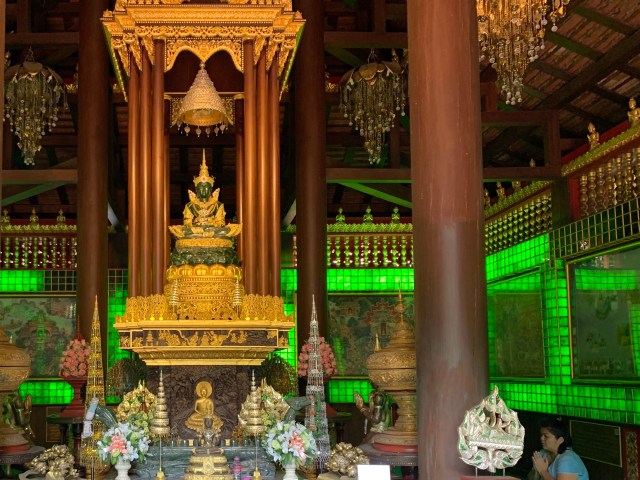
Next came one of the highlights of my day. This temple, Wat Phra Kaew, used to be the home of the Emerald Buddha that now famously resides in Bangkok until lighting struck the pagoda that housed it in 1434. My favorite building here was the Chamber of the Jade Buddha, which featured paintings telling the history of the Emerald Buddha inset in illuminated jade tiles.
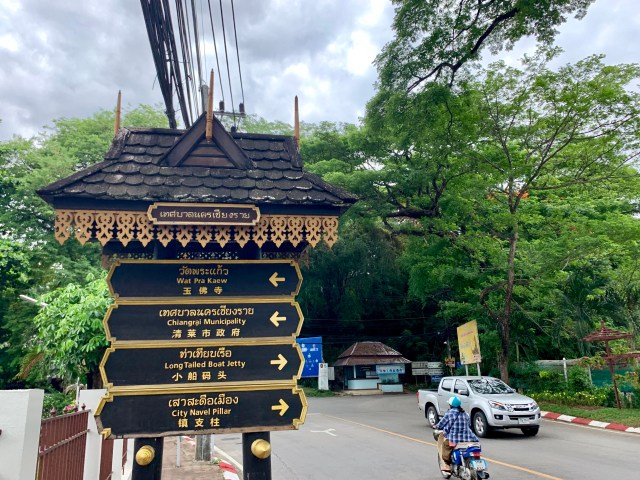
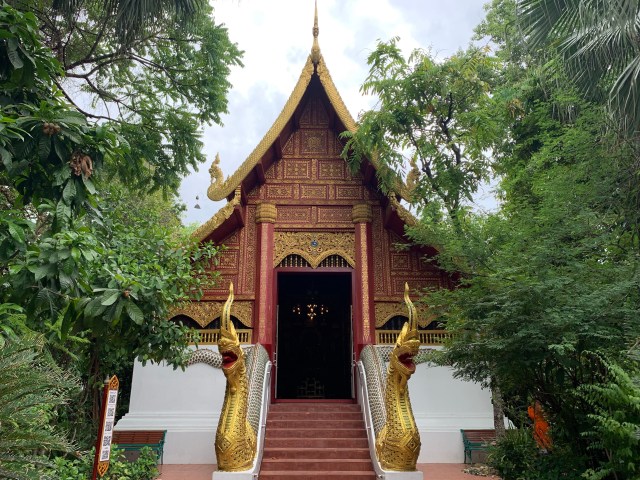
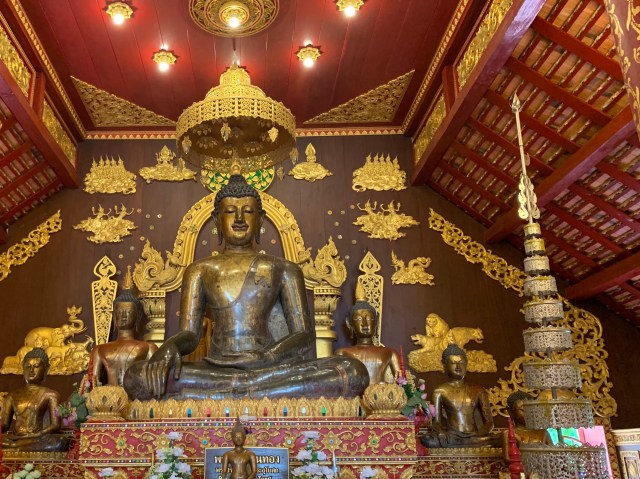
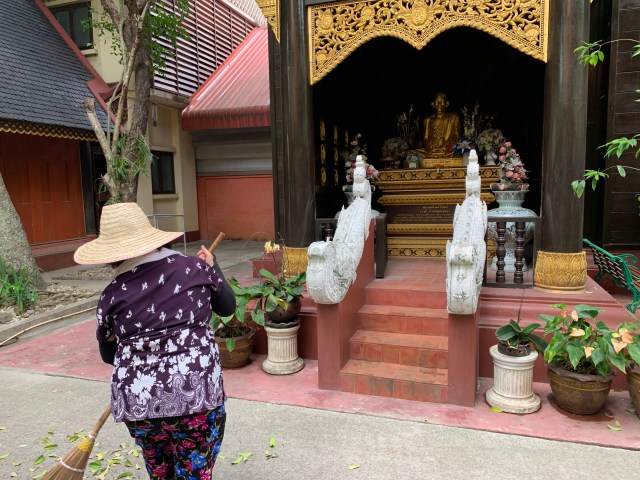
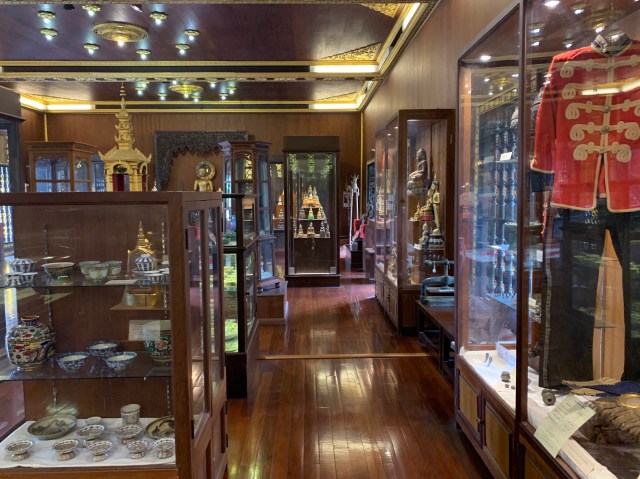
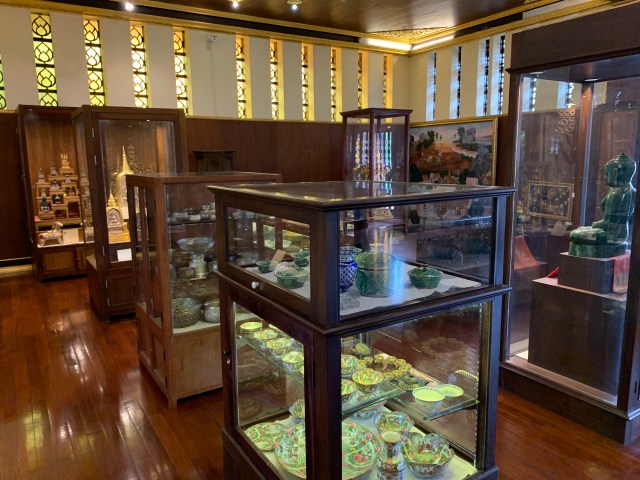
Also in this temple complex was the Hong Luang Saengkaew Museum, which I was very glad to stumble into. Although this museum’s technical purpose is to preserve the history of the temple, it includes displays of everything from Thai religious items to ceramics to currency to royal garb, and it taught me a good deal about what separates the Lanna (northern Thai) culture and design from what I had seen in the south.
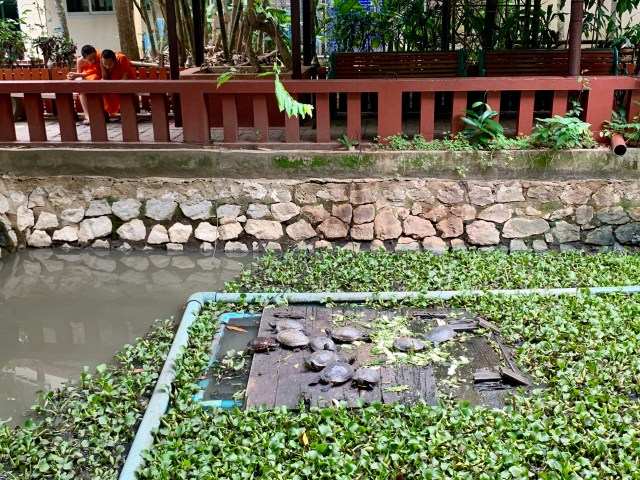
I spent some time enjoying this temple’s courtyard before leaving, watching the turtles and noticing some young monks-in-training doing the same. Regulars at the temple kept asking me where I came from, and they seemed excited when I said New York!
The next part of my journey took me out of the city center and into an area with a neighborhood feel. A group of young boys (maybe nine or ten?) were excited to see me and shouted “Hello!” from way down the street. They were clearly glad to have a chance to practice their English, asking me how I was, my name, and waiting for me to do the same in return. With a chorus of “Good afternoon!”, we parted ways.
I was then at the base of the beautiful naga staircase leading to Wat Doi Ngam Muang.
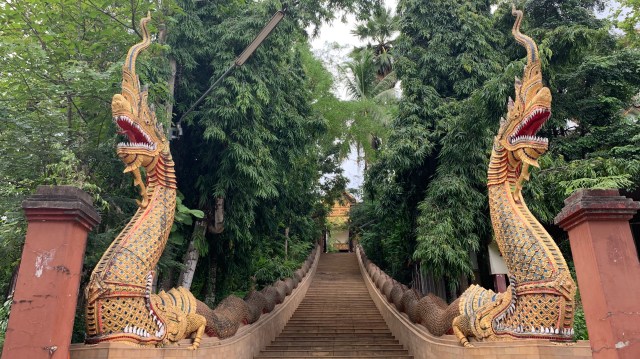
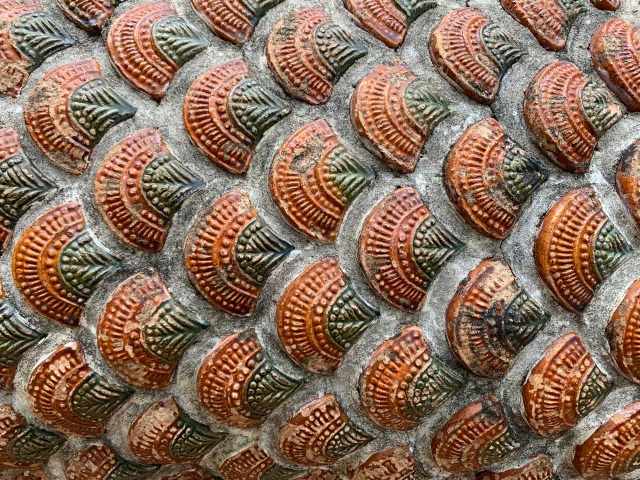
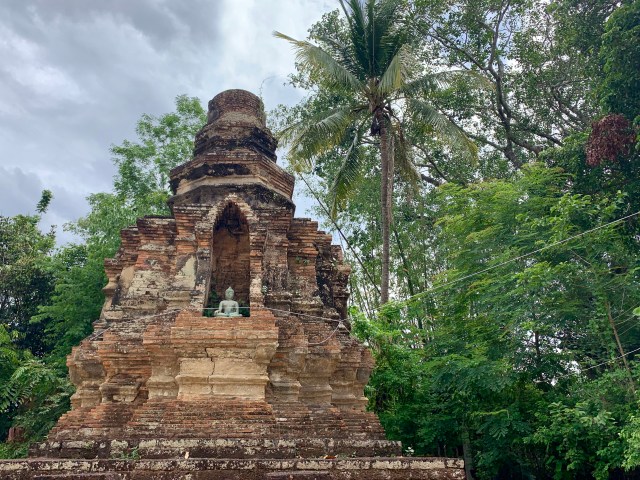
It turned out that that main building of this temple was closed, but I walked around the courtyard to see the ruins of an old stupa and to witness a family training their bird to talk!
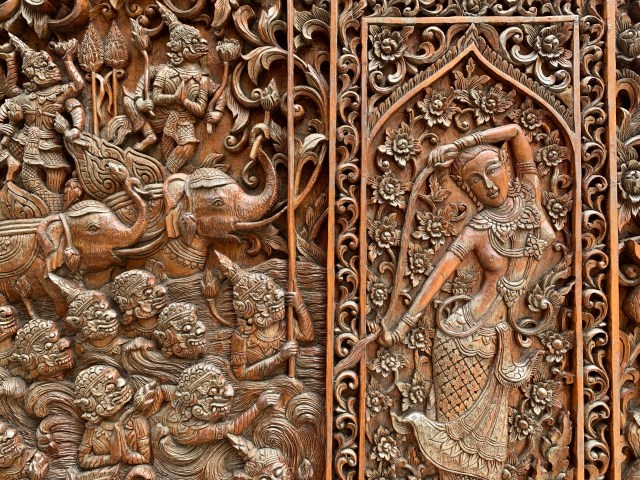
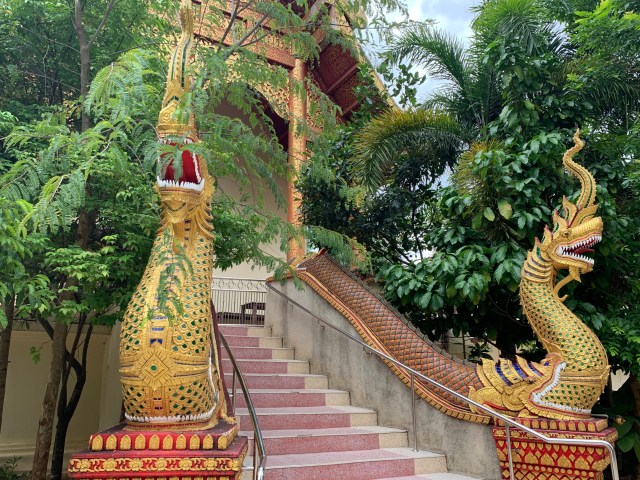
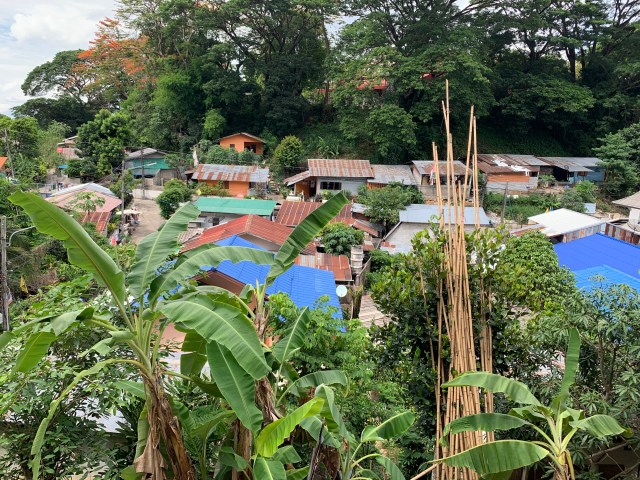
When I left, the road that I was on led me above a clearly poor neighborhood on my right, which struck me as odd when the buildings just ahead were quite ornate.
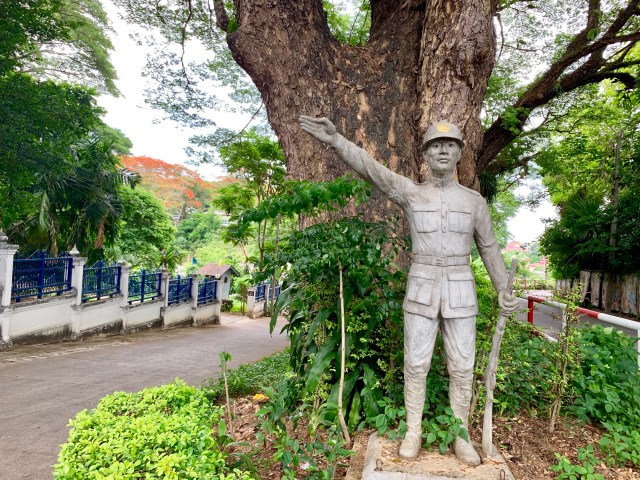
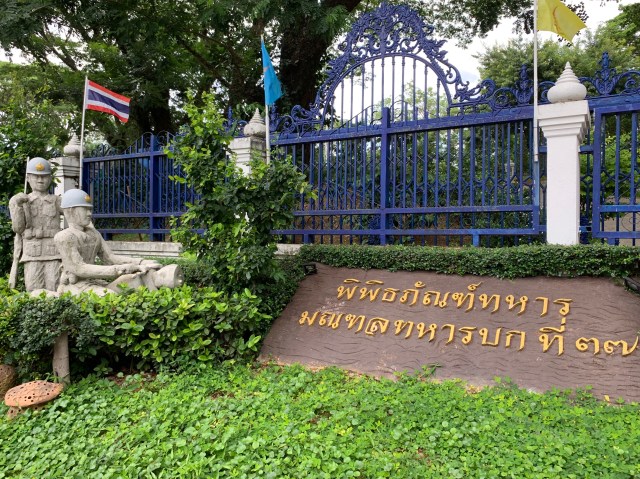
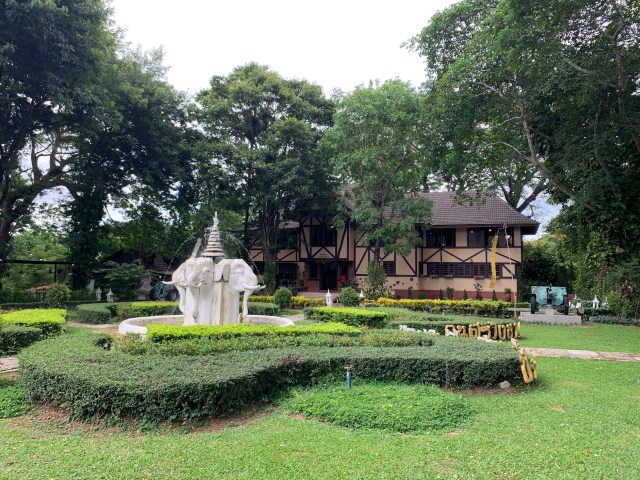
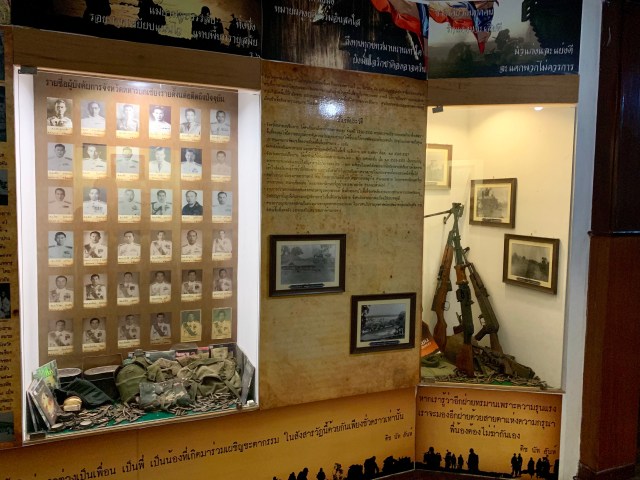
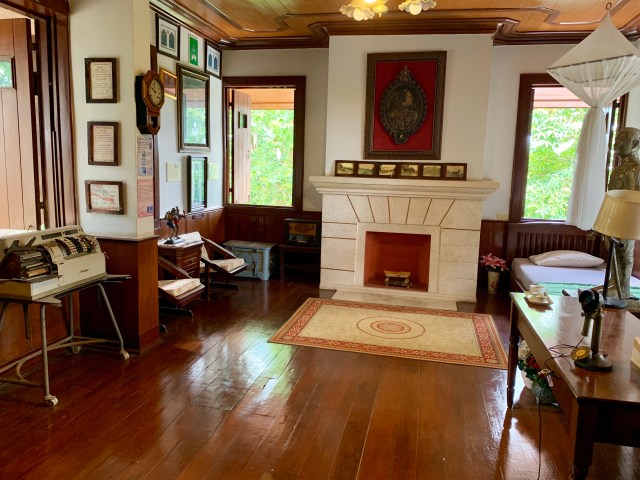
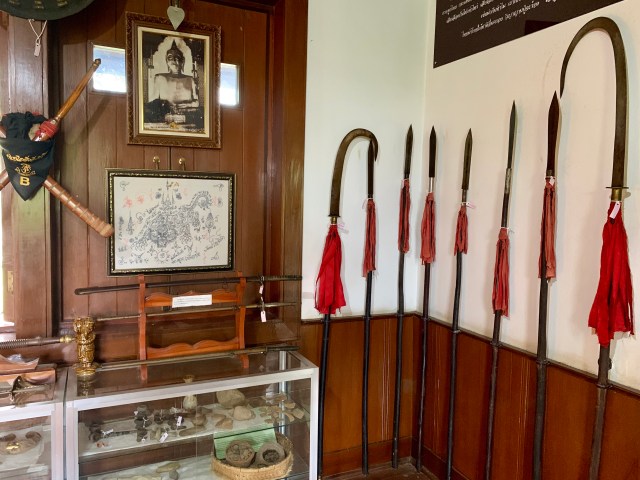
Just up the road, I was confronted by the first of a number of military men made of stone. Looking at my map, I realized I was at the Field Marshal P. Pibulsongkram House, which is now a museum open to the public. Pibulsongkram was Thailand’s dictator from 1938-1944 and 1948-1957, inspired by nationalism and Italian fascism. He was responsible for changing the name of Siam to Thailand, and he enthusiastically collaborated with the Japanese during WWII. (I had to look up this information after my visit to the museum, since all the text inside was strictly in Thai.) The house was built in 1942, styled after Swiss architecture, and it’s hard to say how the exhibit was because I unfortunately couldn’t understand any of it!
My next stop was the Navel City Pillar of Chiang Rai, the spiritual center of the city represented by a central pillar and 108 pillars surrounding it. (Even after reading the explanatory plaque there, I’m not certain what these represent, but they were apparently built following Lanna beliefs!)
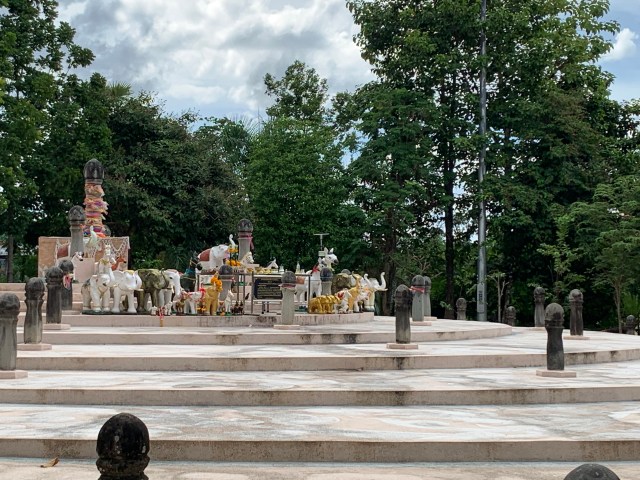
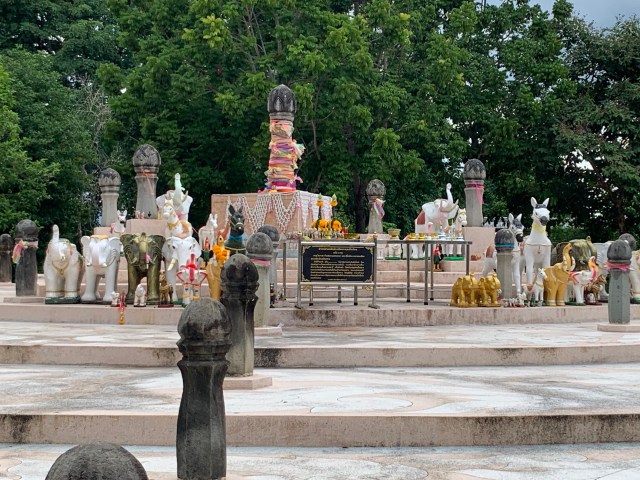
Right next to the Pillar is Wat Phra That Doi Chom Thong, a temple established where, as the story goes, Chiang Rai was established when its founder found his lost elephant and thought the area was very beautiful, and then built walls around it.

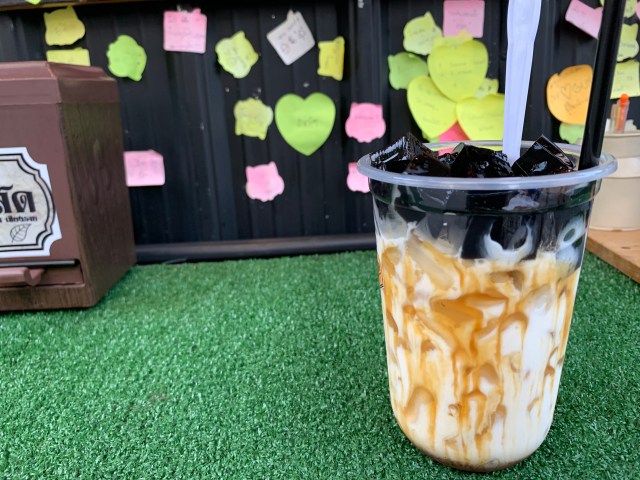
After what turned into a long walk, I took a taxi back to my hostel and relaxed for an hour before venturing back out to the city’s Saturday Walking Street night market. Even though I had walked through this area hours earlier, it was now completely transformed with seemingly endless booths. (Two weeks into this trip and I’m still shocked by the efficiency with which night markets get set up!) This market was much more practical than the others I’ve been to, selling everything from brooms, tshirts, and hair dryers to food and souvenirs.
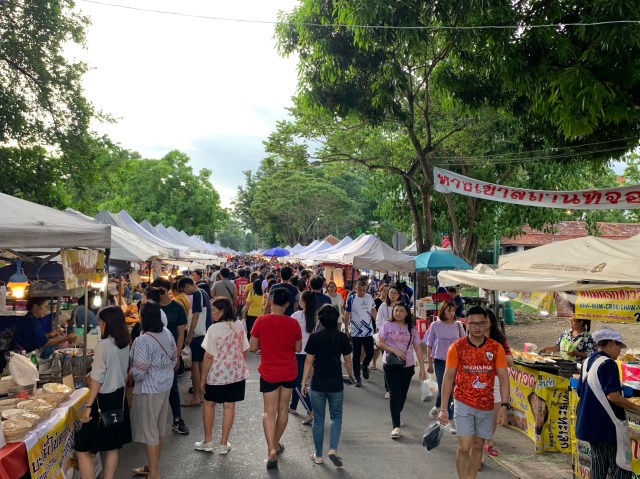
I haven’t mentioned this yet, but there’s an odd phenomenon that happens every day at 8am and 6pm when everyone becomes silent and stands still as the national anthem is played. This always seems to happen when I’m at the night market, and I’m still not used to it.
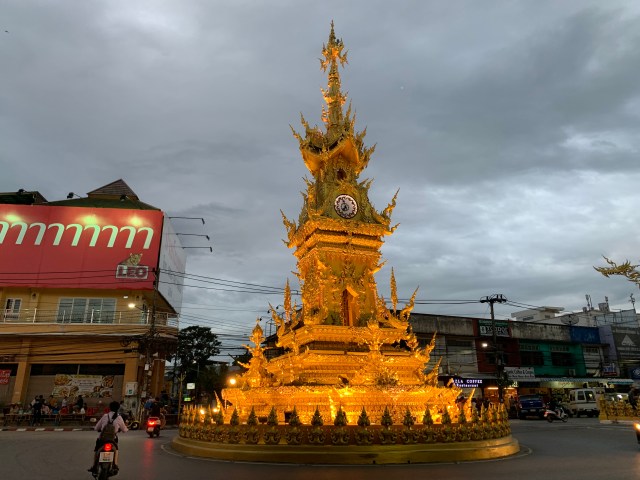
On my way back to my hostel, I made sure to time my walk with the hourly sound and light show at the Clock Tower that I knew occurred every hour past 6 in the evenings. It wasn’t quite Prague’s Astronomical Clock, but it was nice to watch. (I only filmed about the first half of the display.)
 Journeying Jasmine